The Executive Reading List
Read what our guests wrote, and what they told us to read.
Every book by a Lift guest, plus the books that came up in conversation.
Each one links back to the episode where you can hear why it matters.
Written by Lift guests
Books by the people who sat down with me on The Lift.
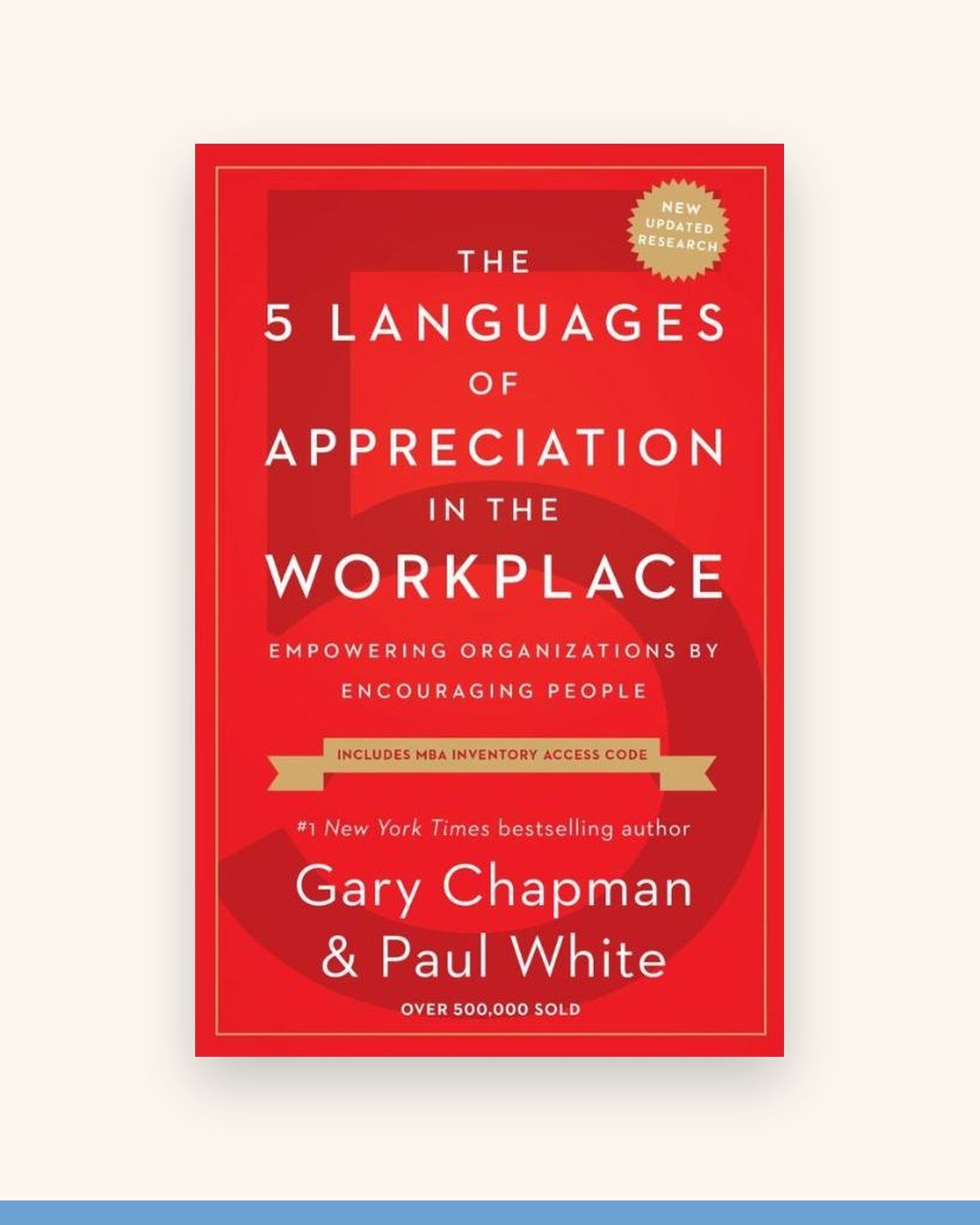
Paul's research shows recognition only lands when it's in the language your people value. Read it before you hand out another gift card.
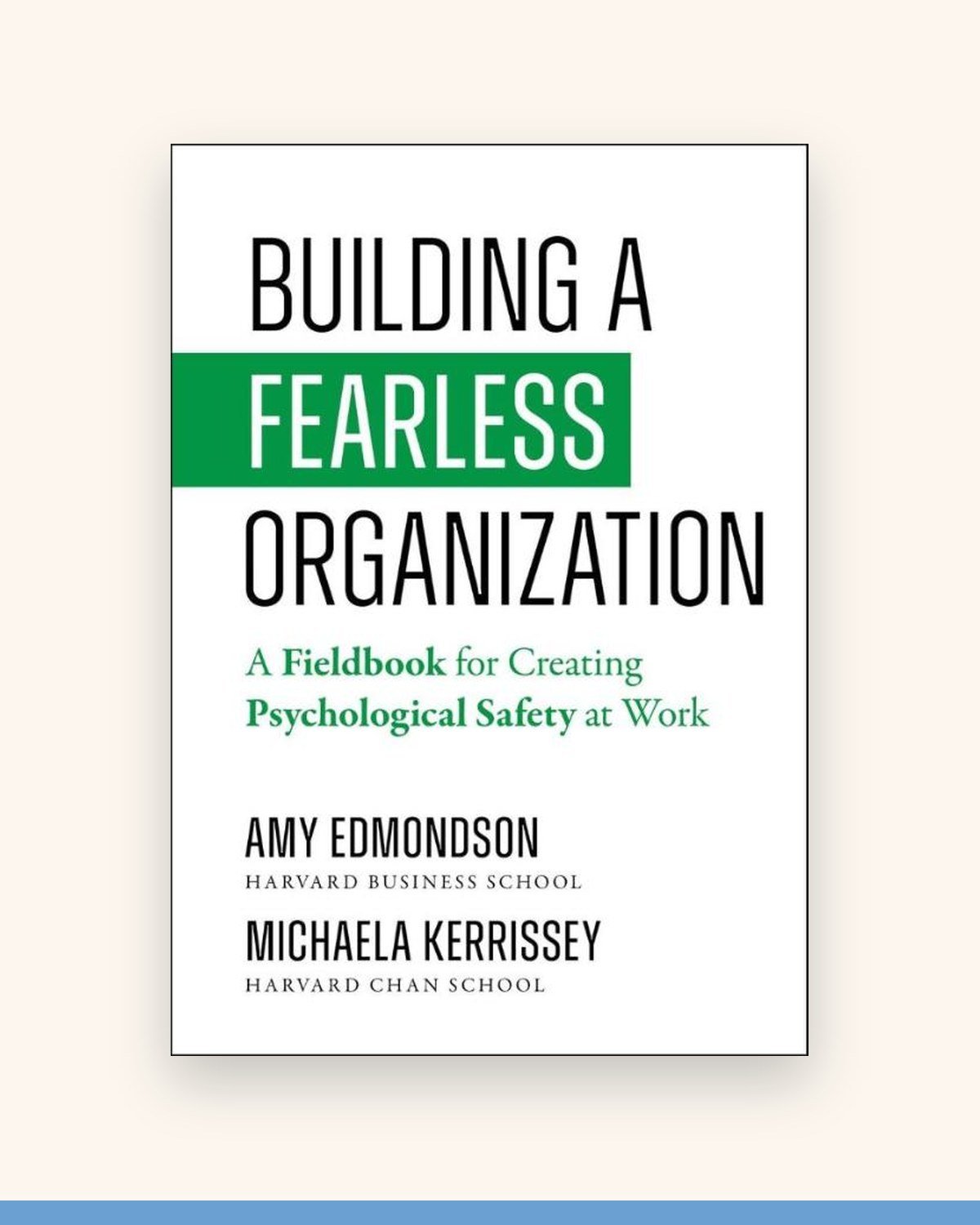
The hands-on companion to The Fearless Organization, with tools you can use with your own team.
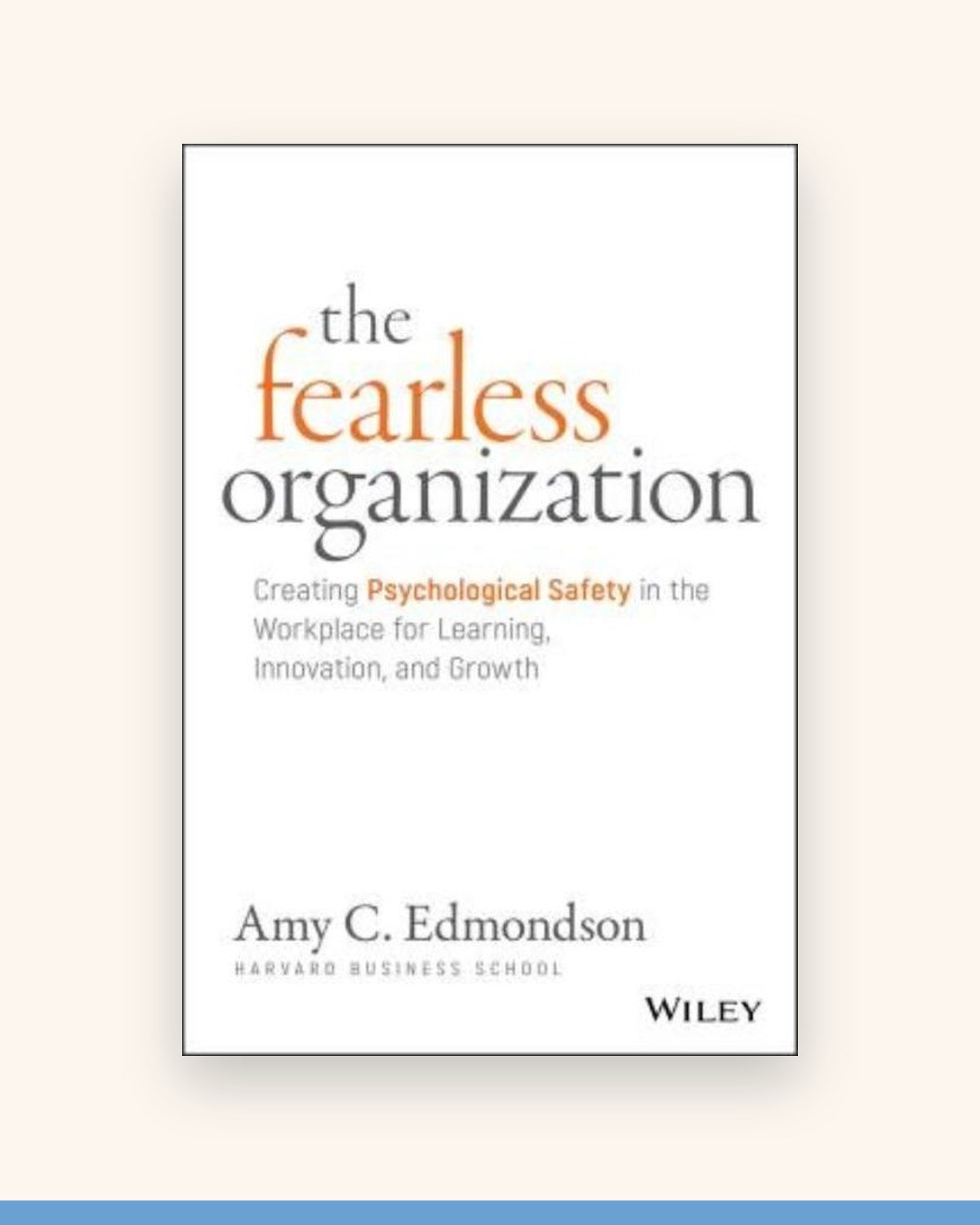
Amy's book on psychological safety and how leaders build it. Start here if your team goes quiet when it matters most.
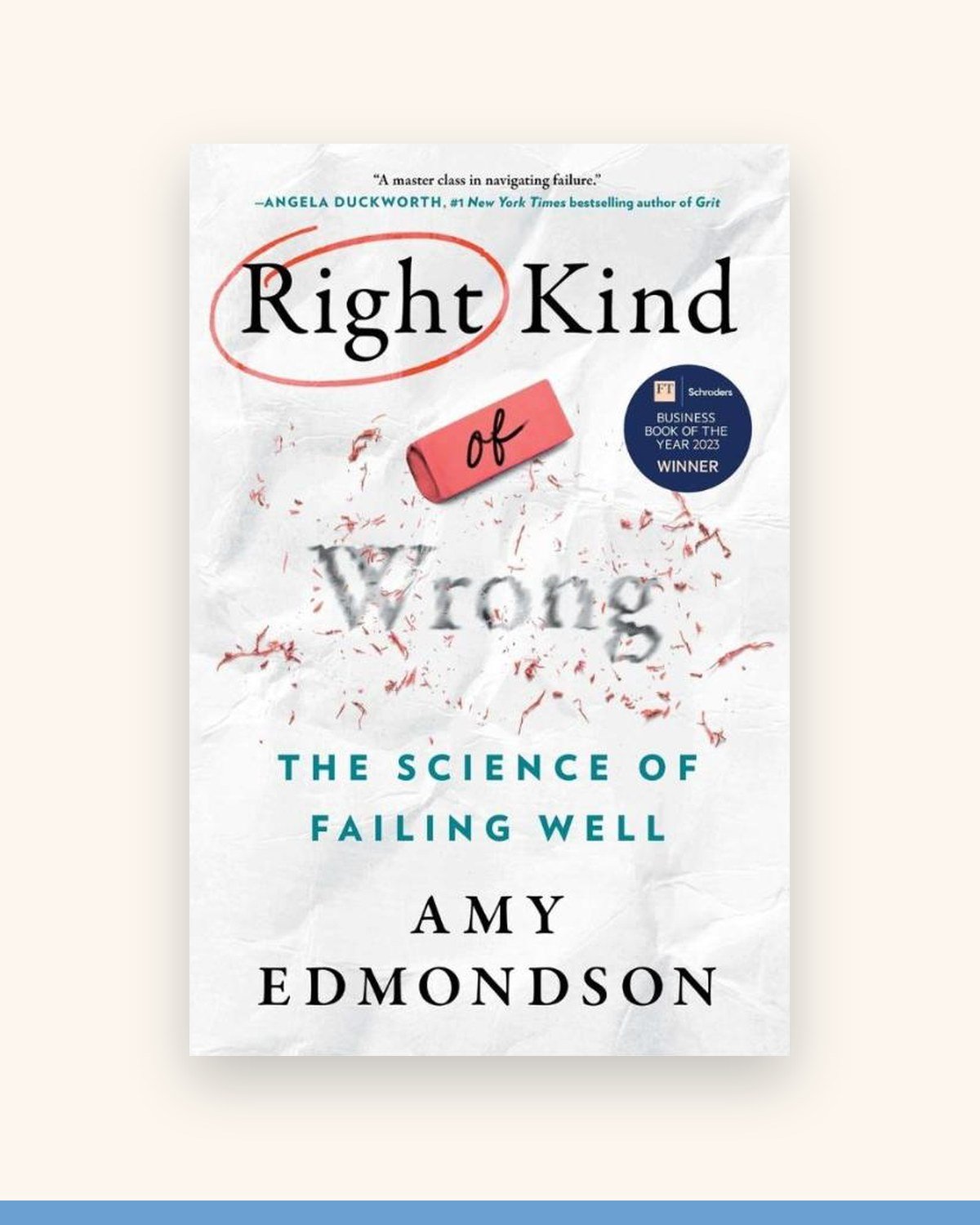
Amy's guide to failing well. She helps you tell the failures worth celebrating from the ones you should have prevented.
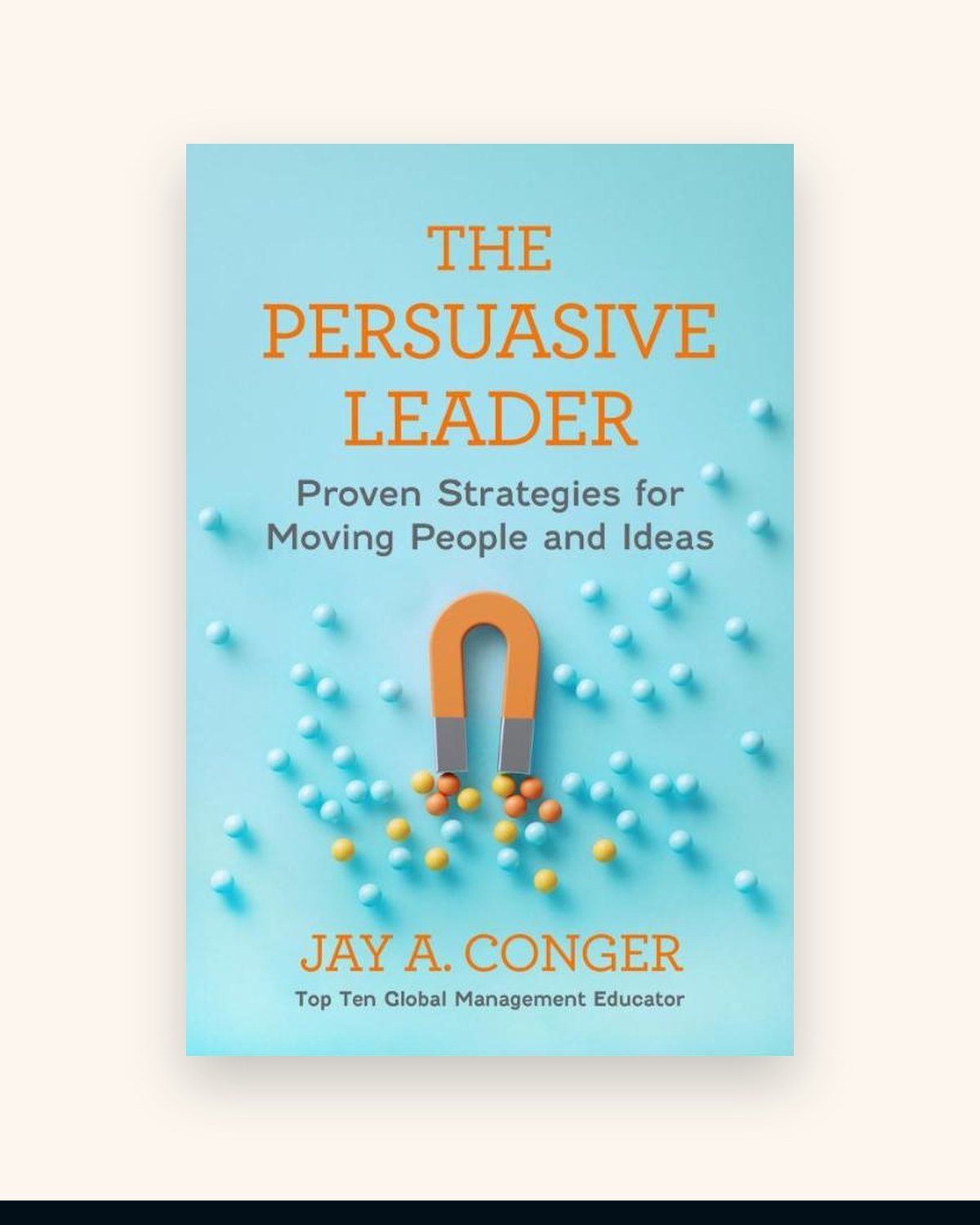
Jay has spent decades teaching leaders how influence works. His new book is about getting real commitment for your ideas, so people do more than nod along in the meeting.
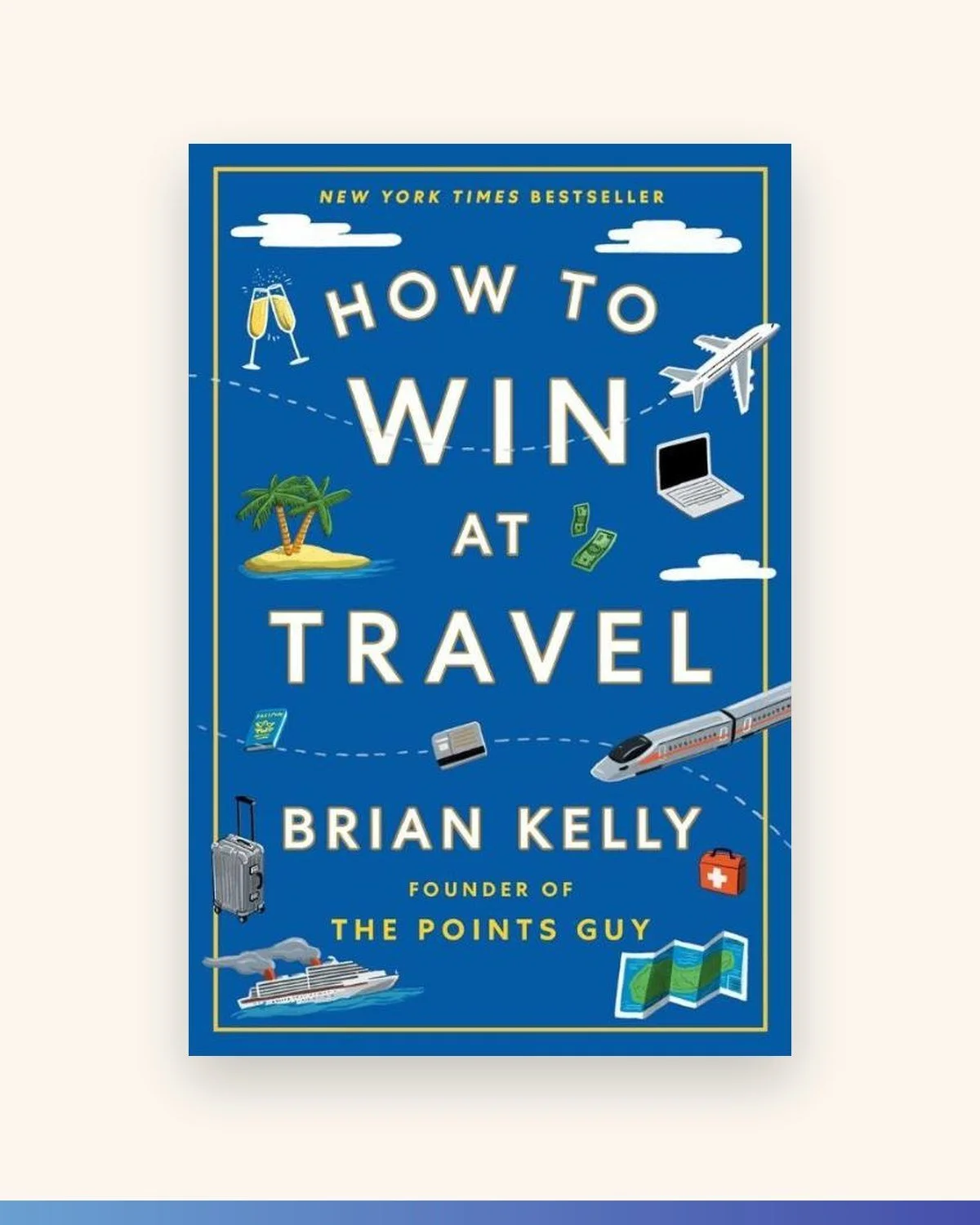
Brian is The Points Guy. If you travel for work, his book will probably pay for itself on your next trip.
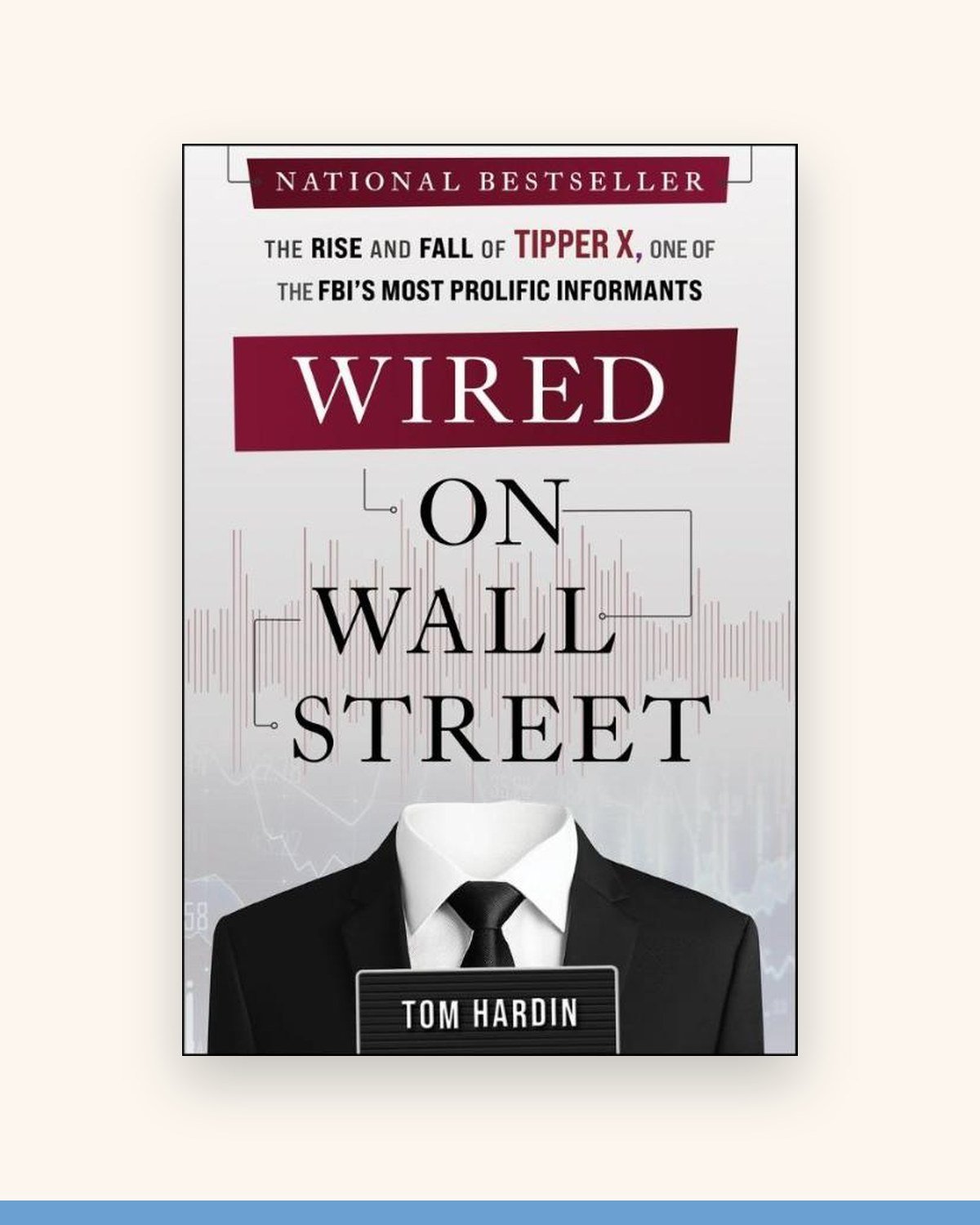
Tom was Tipper X, one of the FBI's most prolific informants. His story shows how ordinary people talk themselves into bad decisions, and what it takes to speak up.
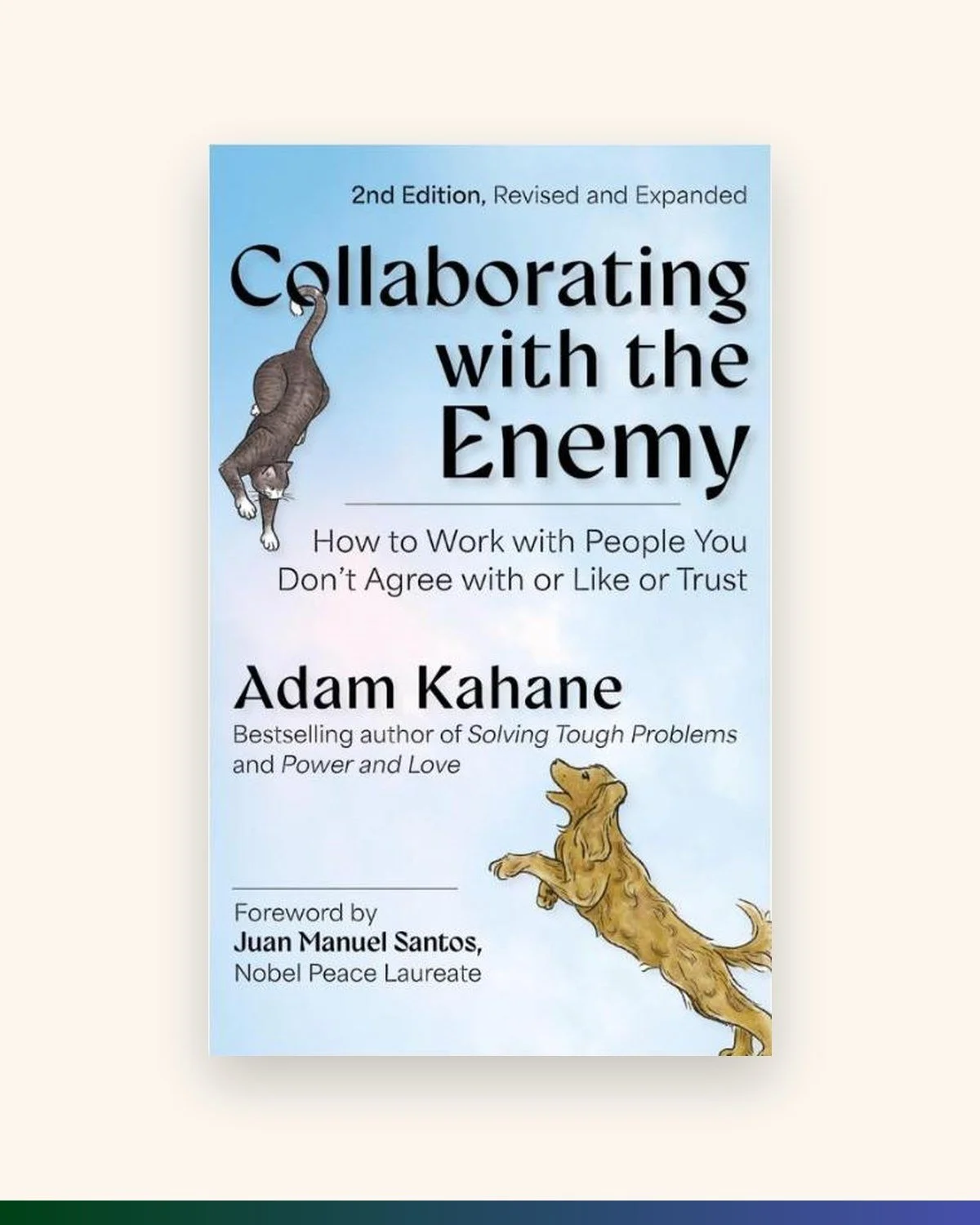
Adam's guide to working with people you don't agree with, like, or trust. It works in the boardroom, and it'll probably help at Thanksgiving too.
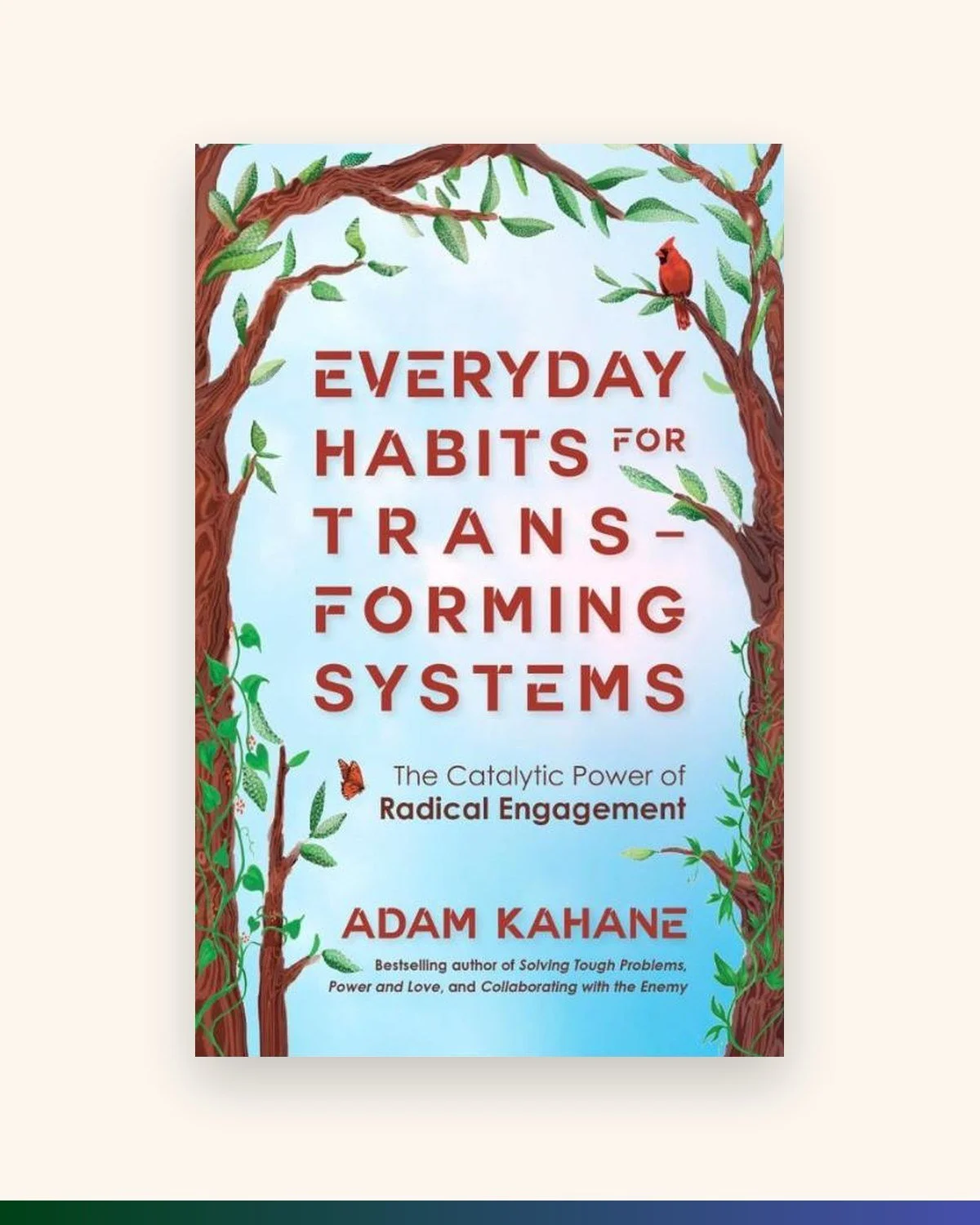
Adam has worked with generals and guerrillas. This is his practical guide to changing a system you don't control, which describes most of our jobs.
Tom wrote this one with his grandfather, Don Clifton. It's a short read on how small moments of recognition add up across a team.
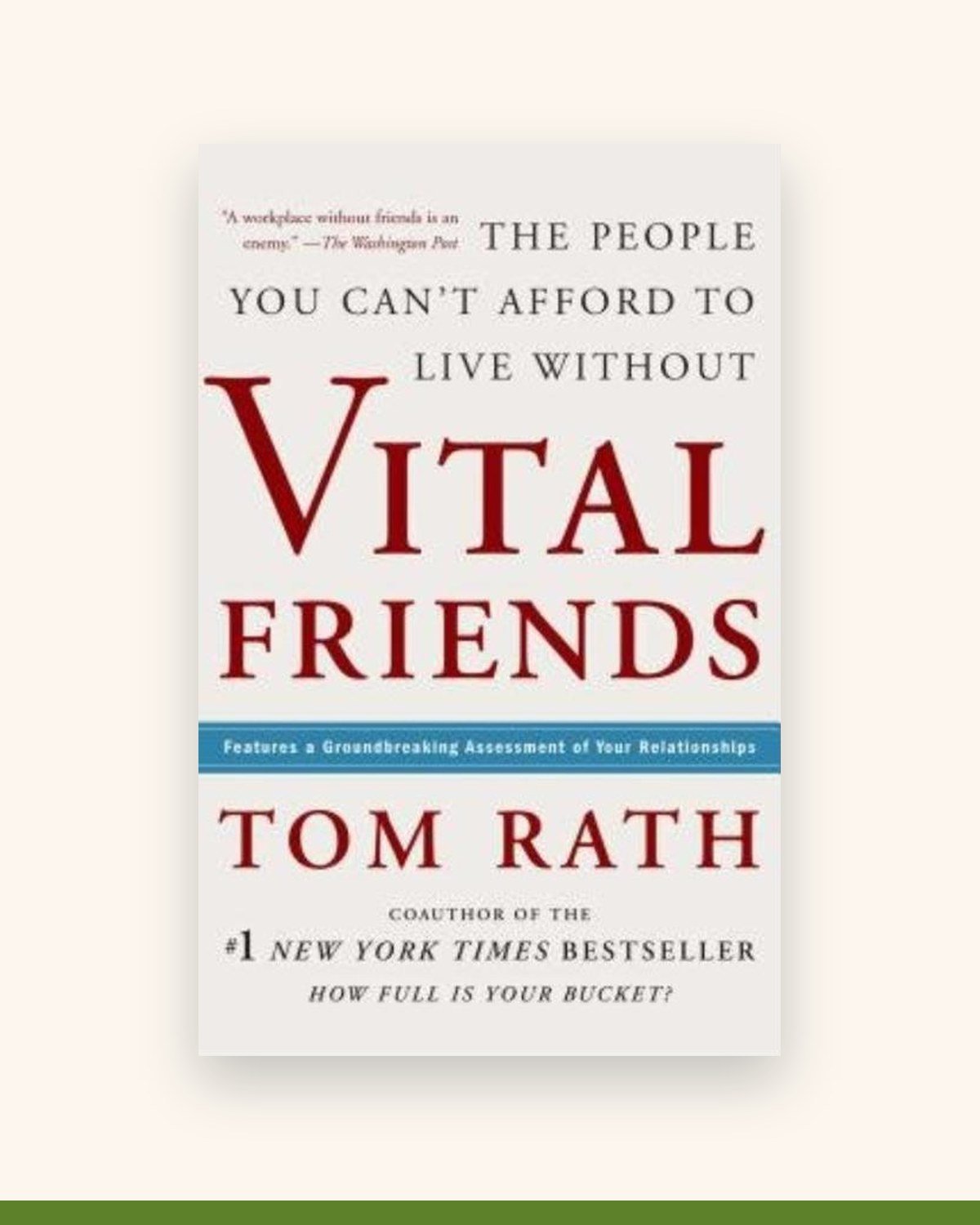
The research behind my conversation with Tom. Friendships at work drive engagement and performance, and Tom shows managers how to make room for them.
Tom's newest book is about turning purpose into something you use every day, at work and outside it.
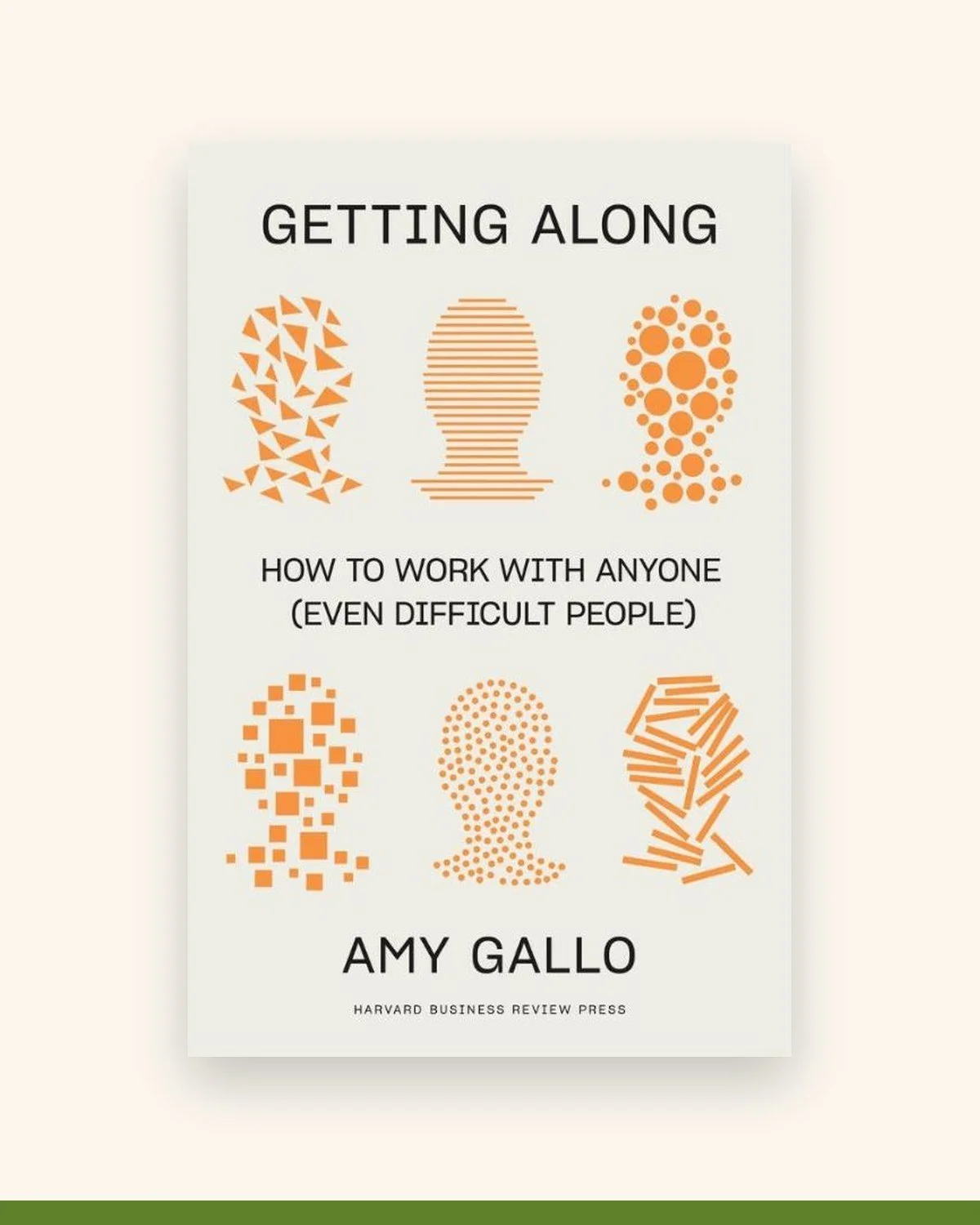
Amy's guide to the colleagues who drive you up the wall, from the pessimist to the know-it-all. You'll come away with words for the conversation you've been avoiding.
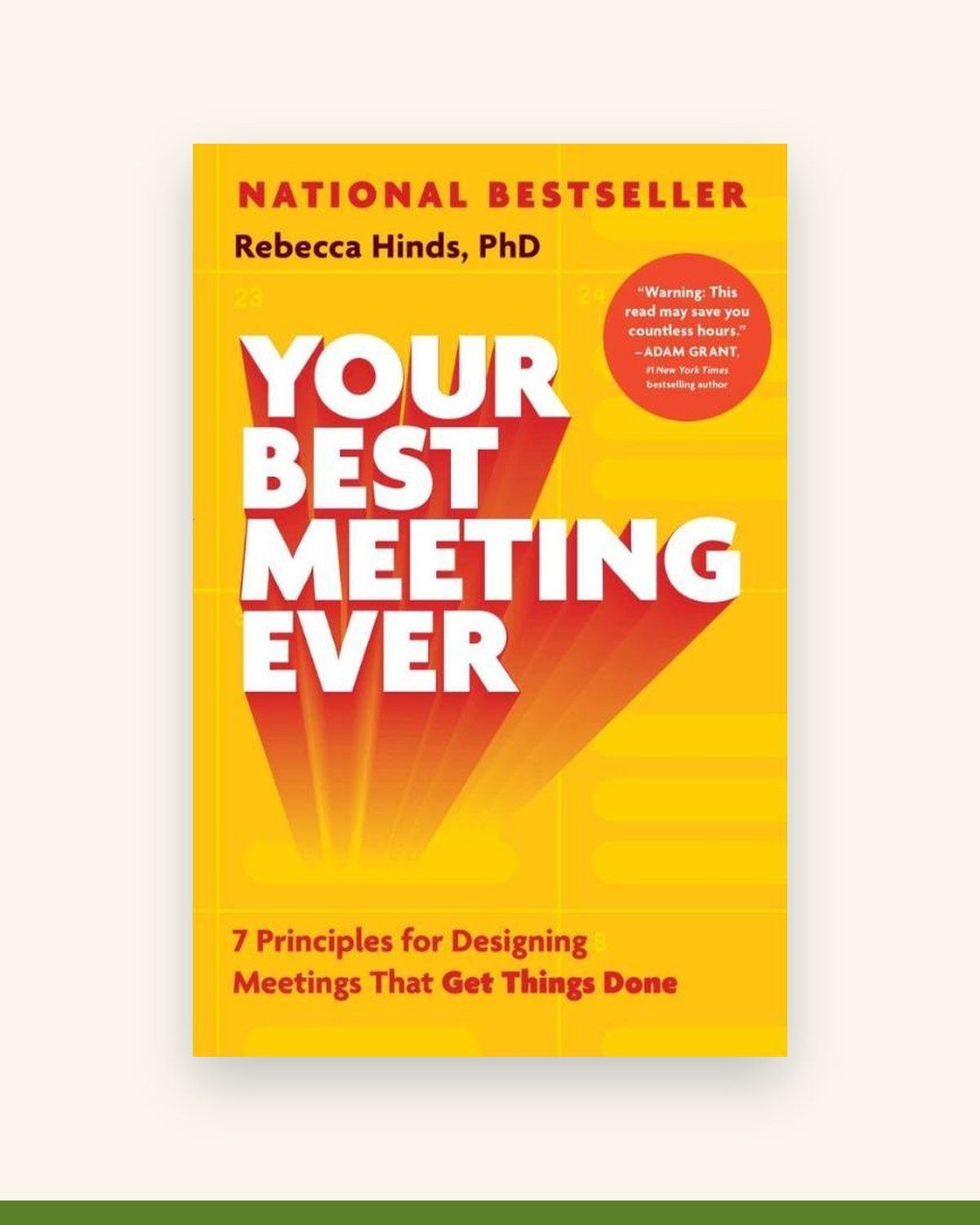
If your calendar is wall-to-wall meetings, Rebecca's seven principles will help you cut the ones that shouldn't exist and fix the rest.
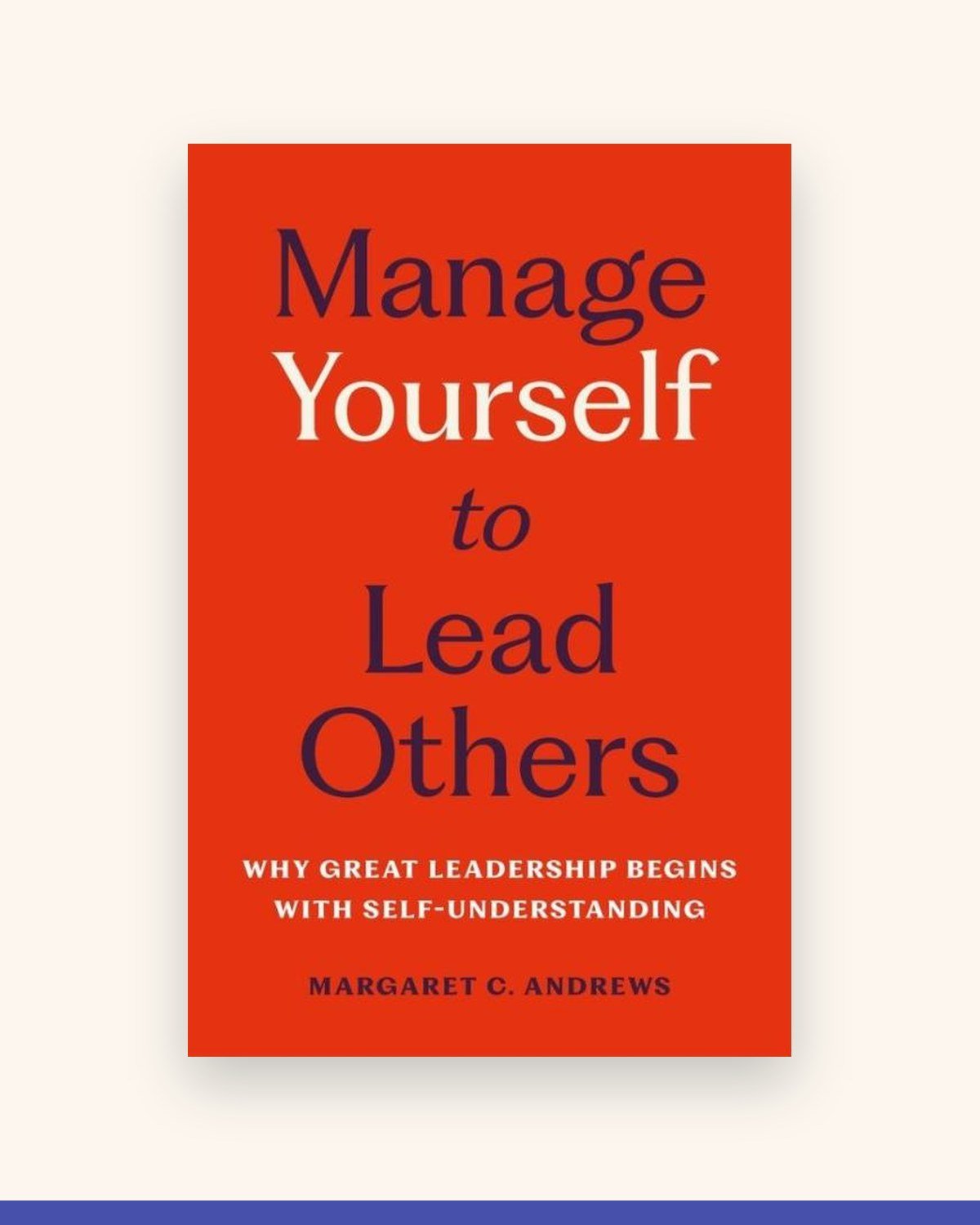
Margaret makes the case that leading other people starts with understanding your own wiring, and she shows you where to start.
How two neighbors turned an abandoned rail line into one of New York's best-loved parks. Read it if you're building something nobody has asked for yet.
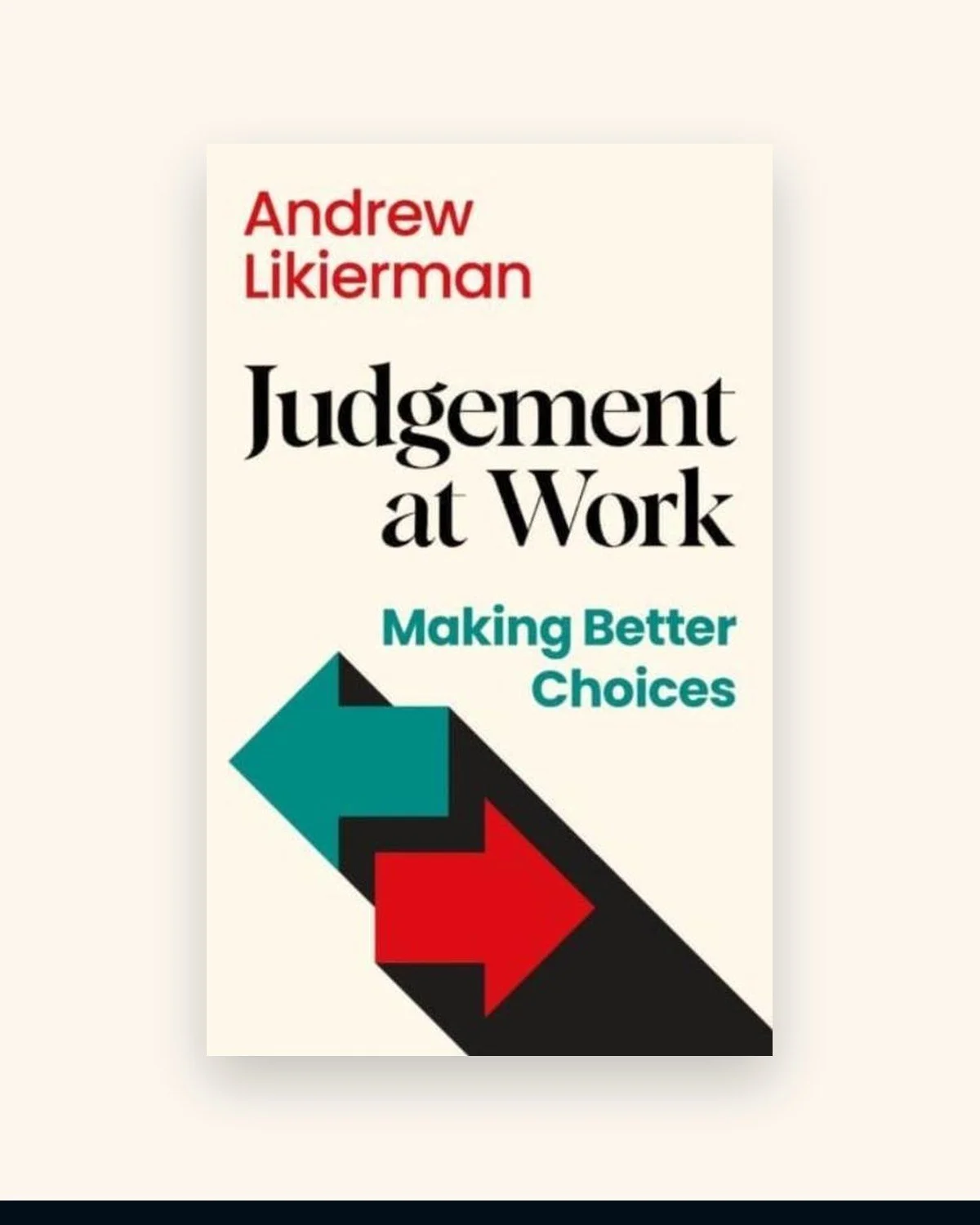
Andrew ran London Business School and believes judgment can be learned. This is his framework for making better calls, and for catching yourself before a bad one.
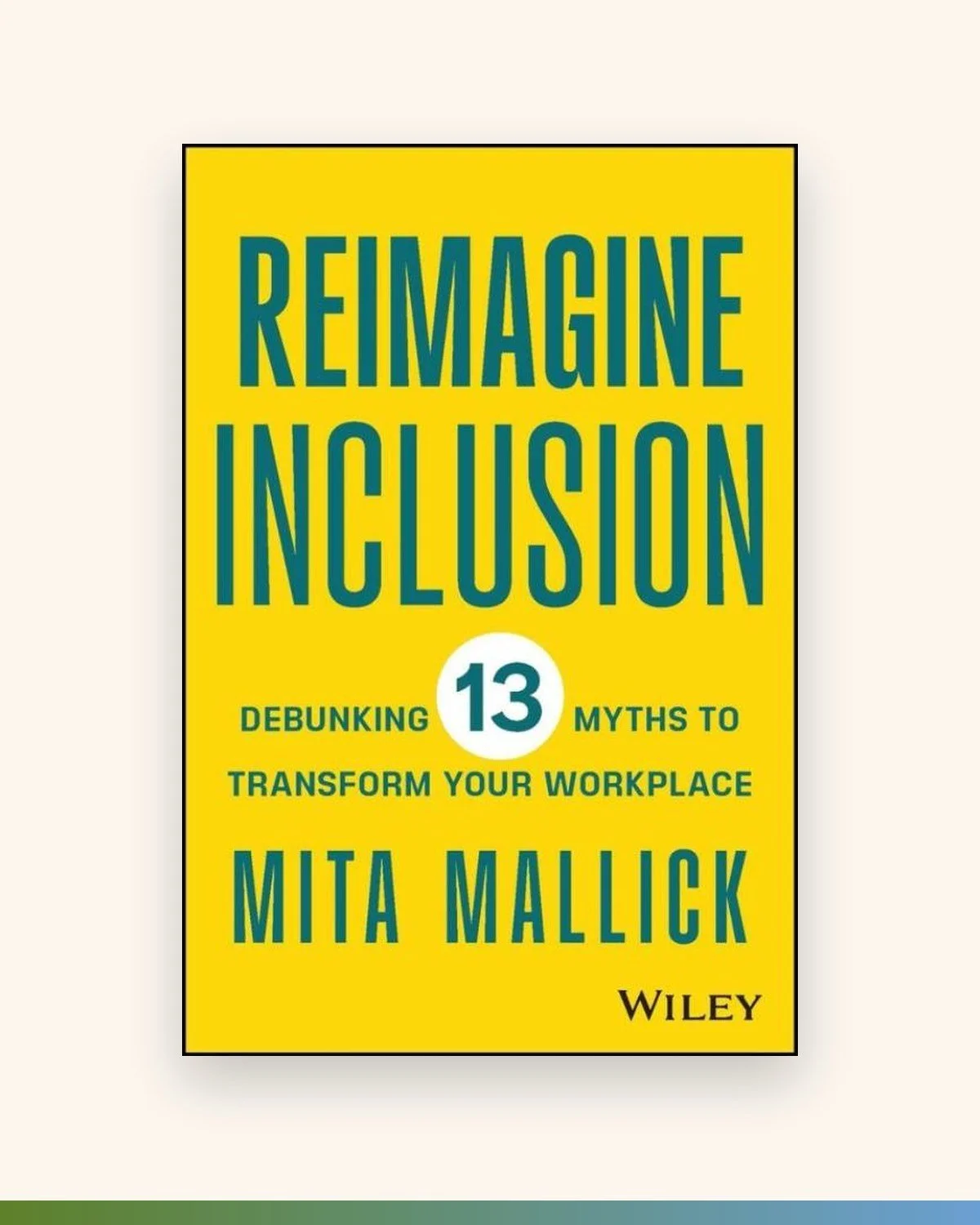
Mita takes apart the myths that keep inclusion work stuck, with fixes a manager can try on Monday.
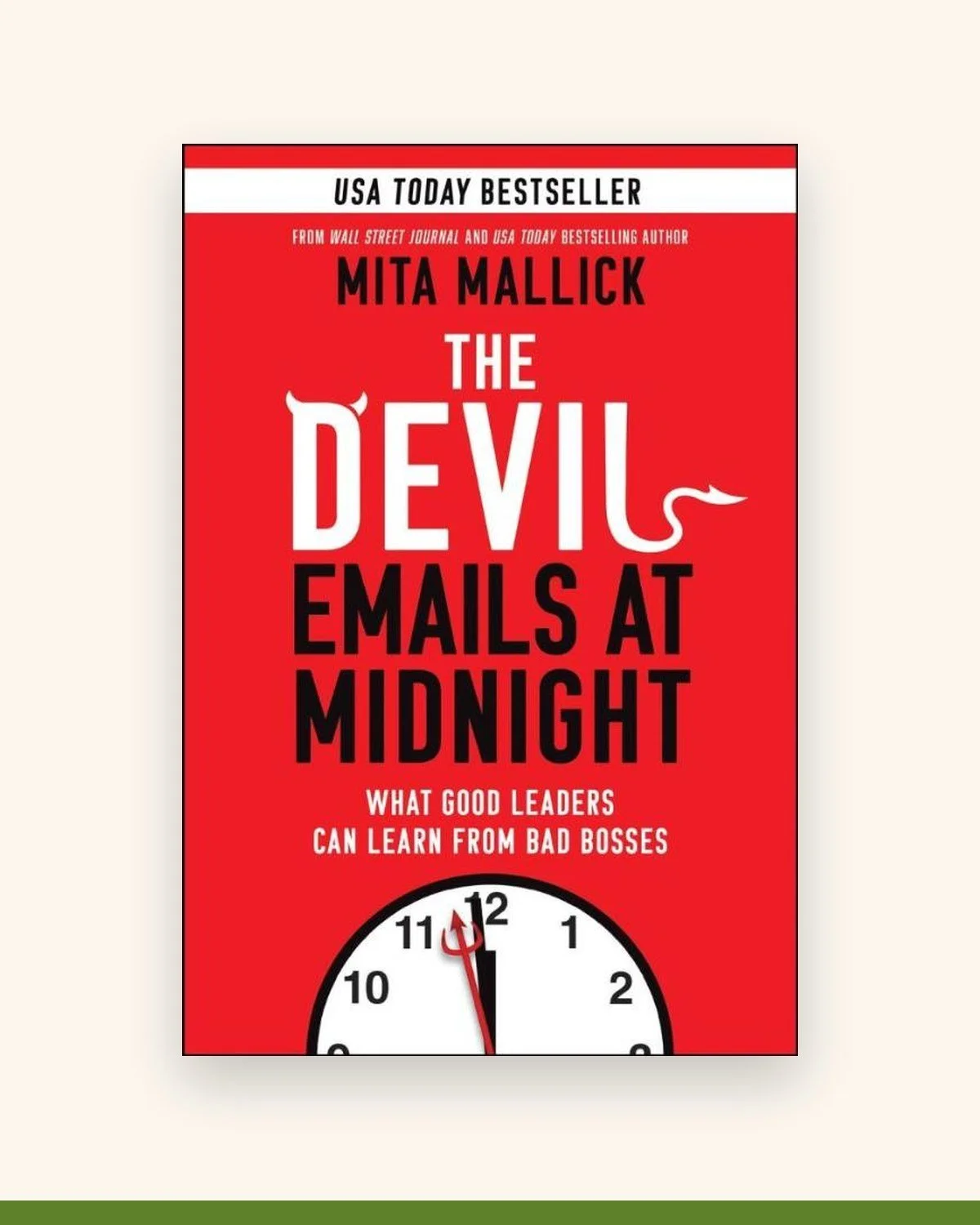
Mita turns the worst boss behavior she's seen into lessons you can use. You'll recognize someone in here. Hopefully it isn't you.
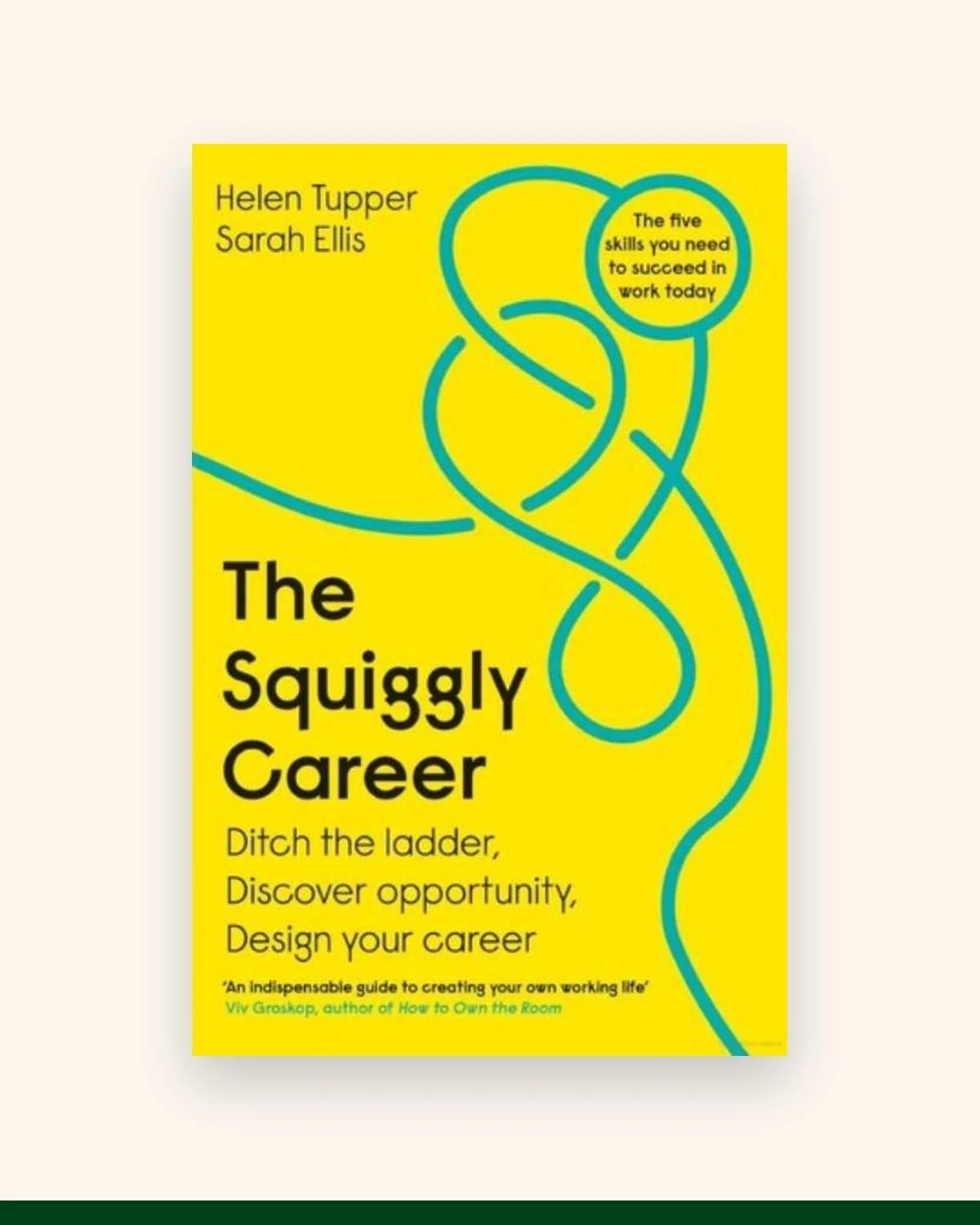
The book that gave a name to the career most of us actually have. Read it if your résumé looks more like a scribble than a ladder.
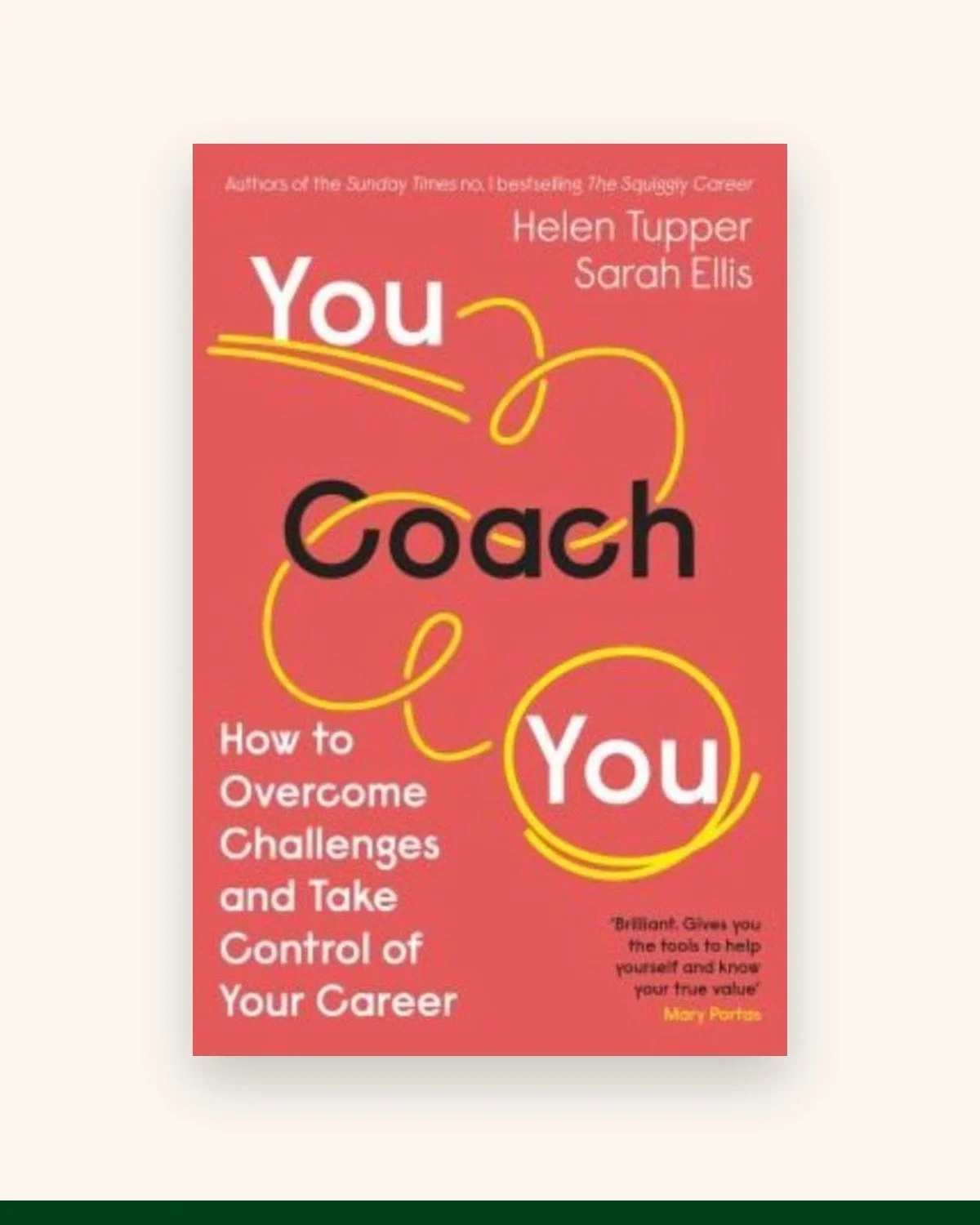
Most of us wait for a great mentor to show up. Helen and Sarah give you the tools to coach yourself in the meantime.
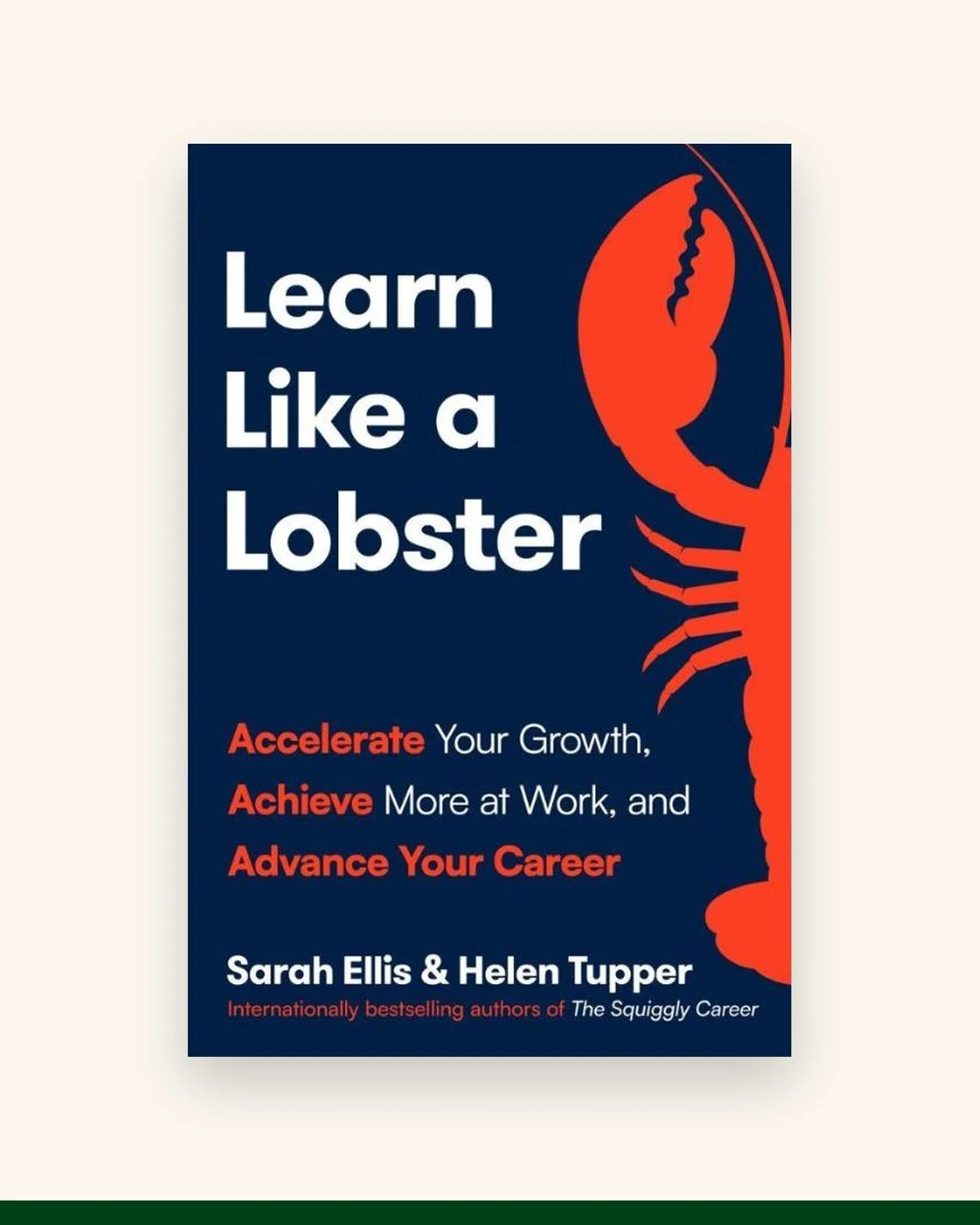
Helen and Sarah's case for getting comfortable being uncomfortable, because that's where you actually grow. Start here if you feel stuck.
Recommended on the show
The books that came up in conversation, and who brought them up.
Gordon Bethune's story of turning Continental around, including working the ticket counter himself on Thanksgiving. I still think about that detail.
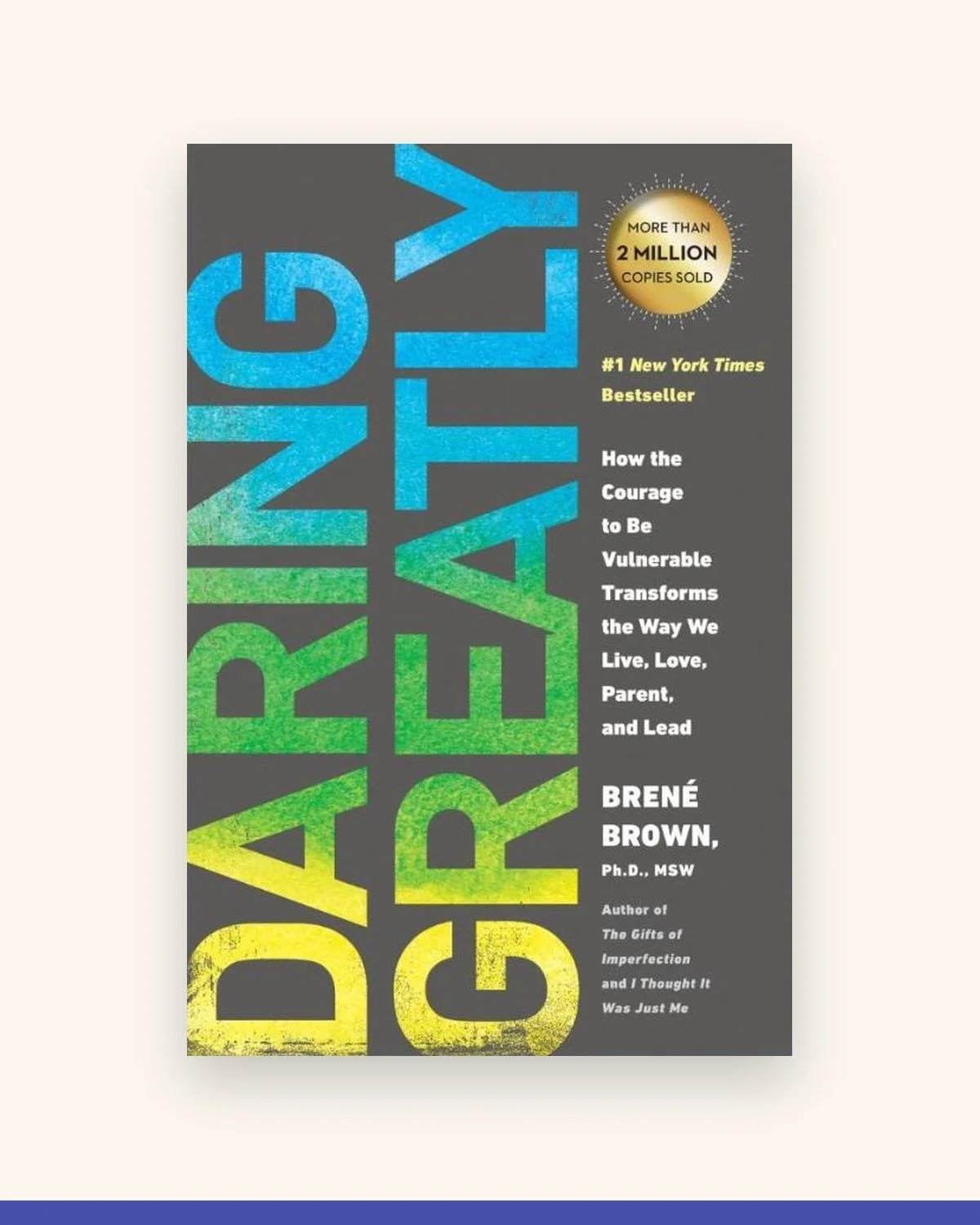
We try so hard to look perfect, but what draws us to other people is the imperfection. Brené made that case better than anyone.
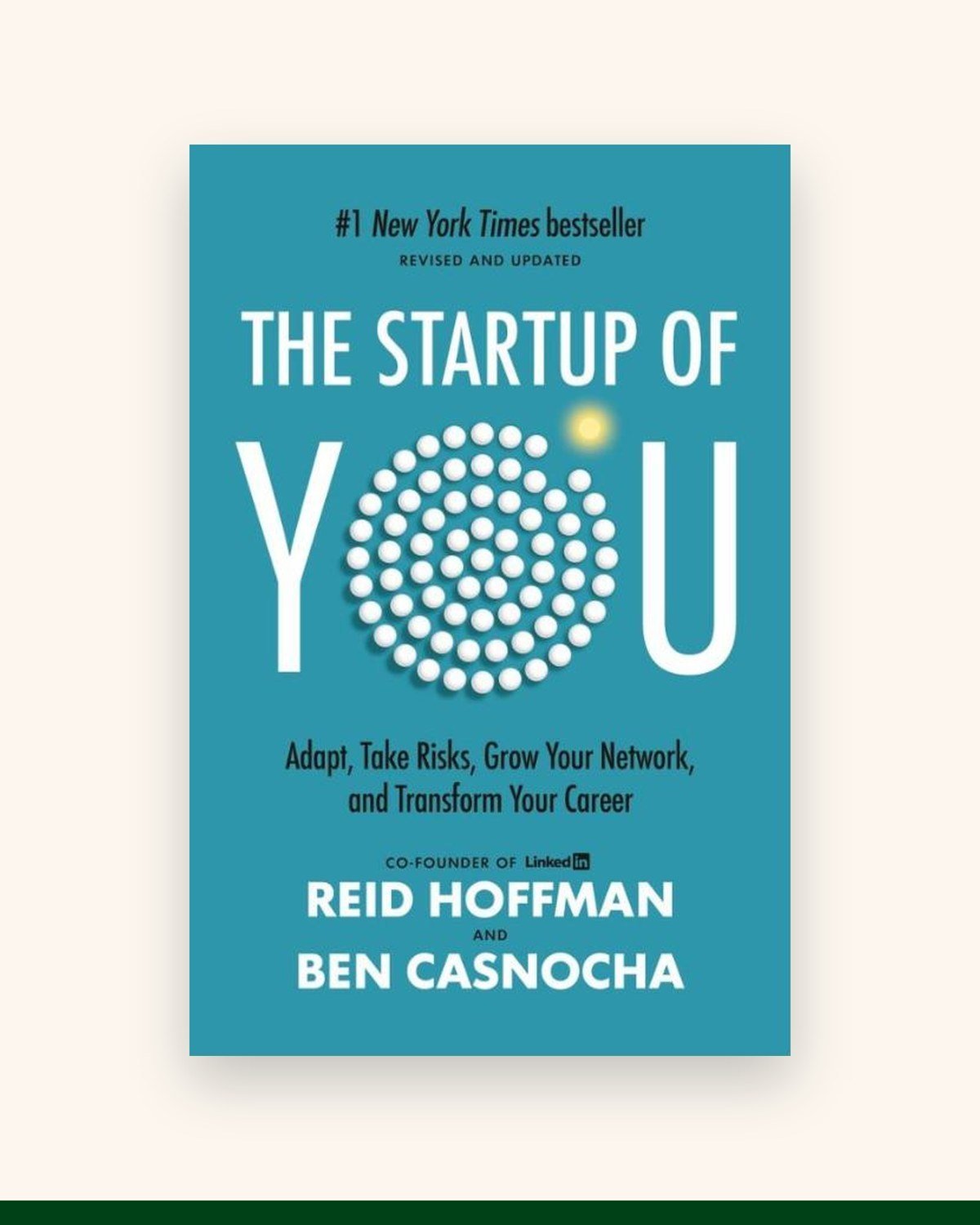
Reid's case for running your career like a start-up. The idea has held up well since 2012.
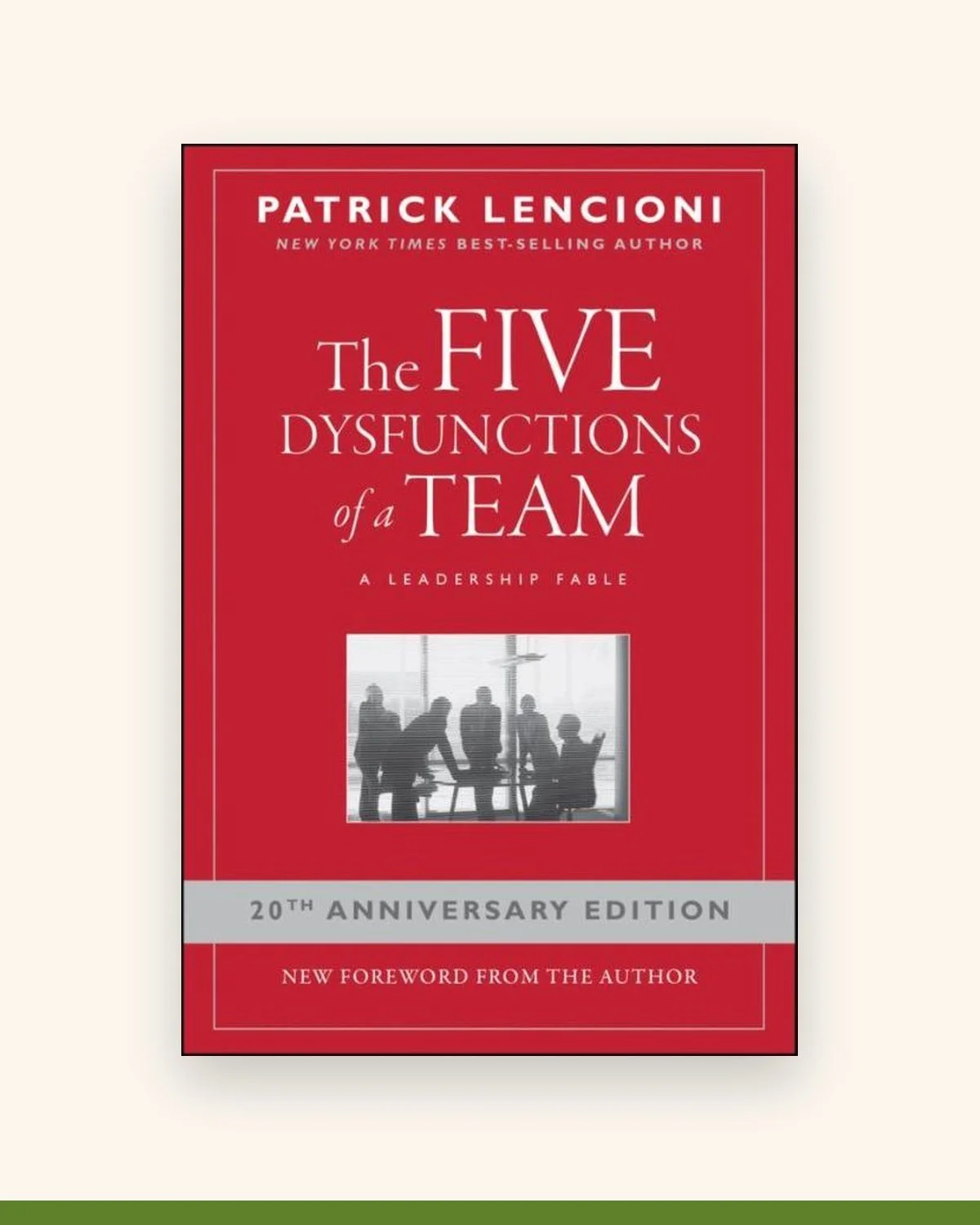
Amy borrowed Patrick's idea of artificial harmony to describe teams that avoid conflict. The fable reads in an afternoon, and you'll see your own team in it.
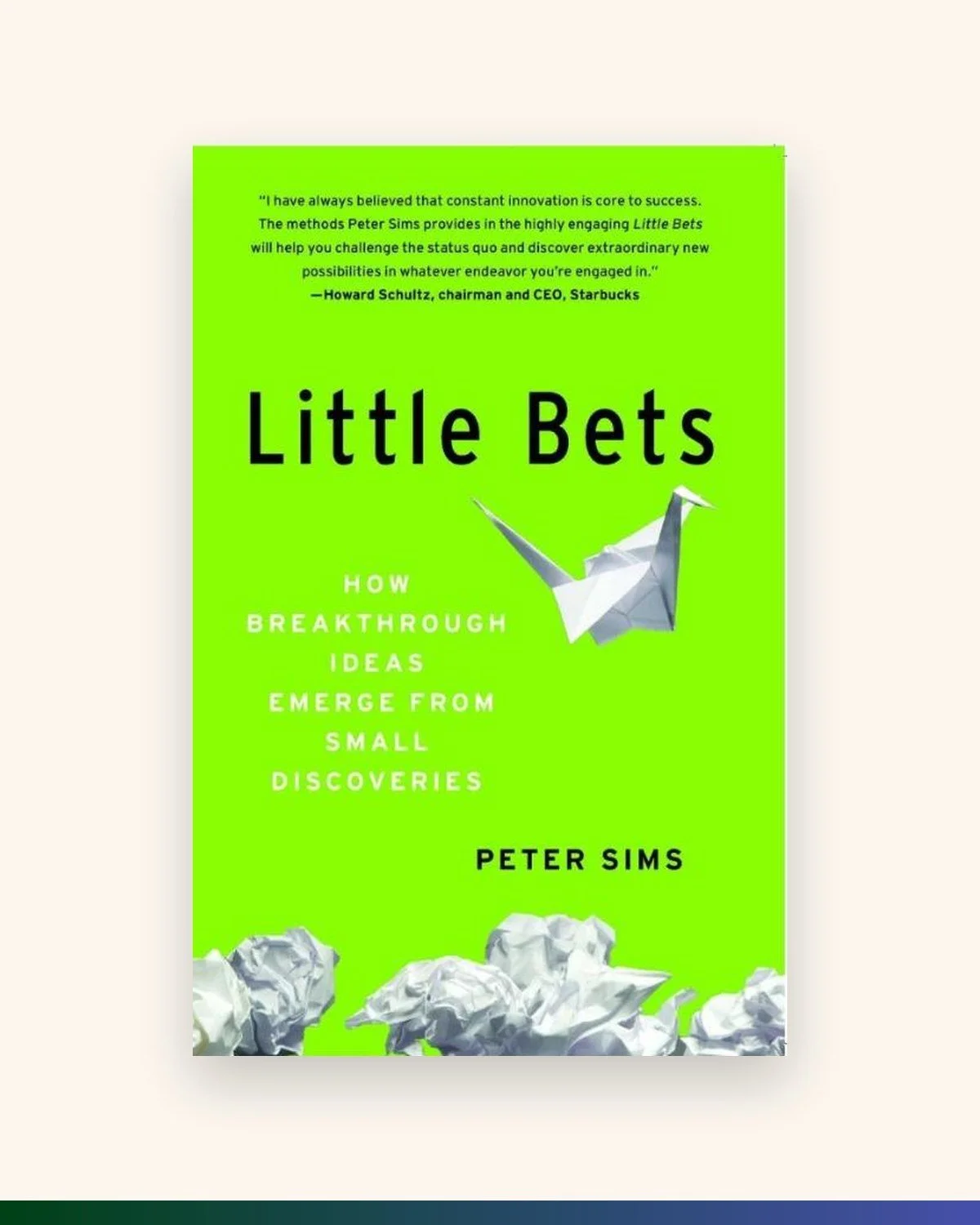
Tom's friend Peter on how big ideas grow out of small, cheap experiments. It's a good read if you're stuck waiting for the perfect plan.
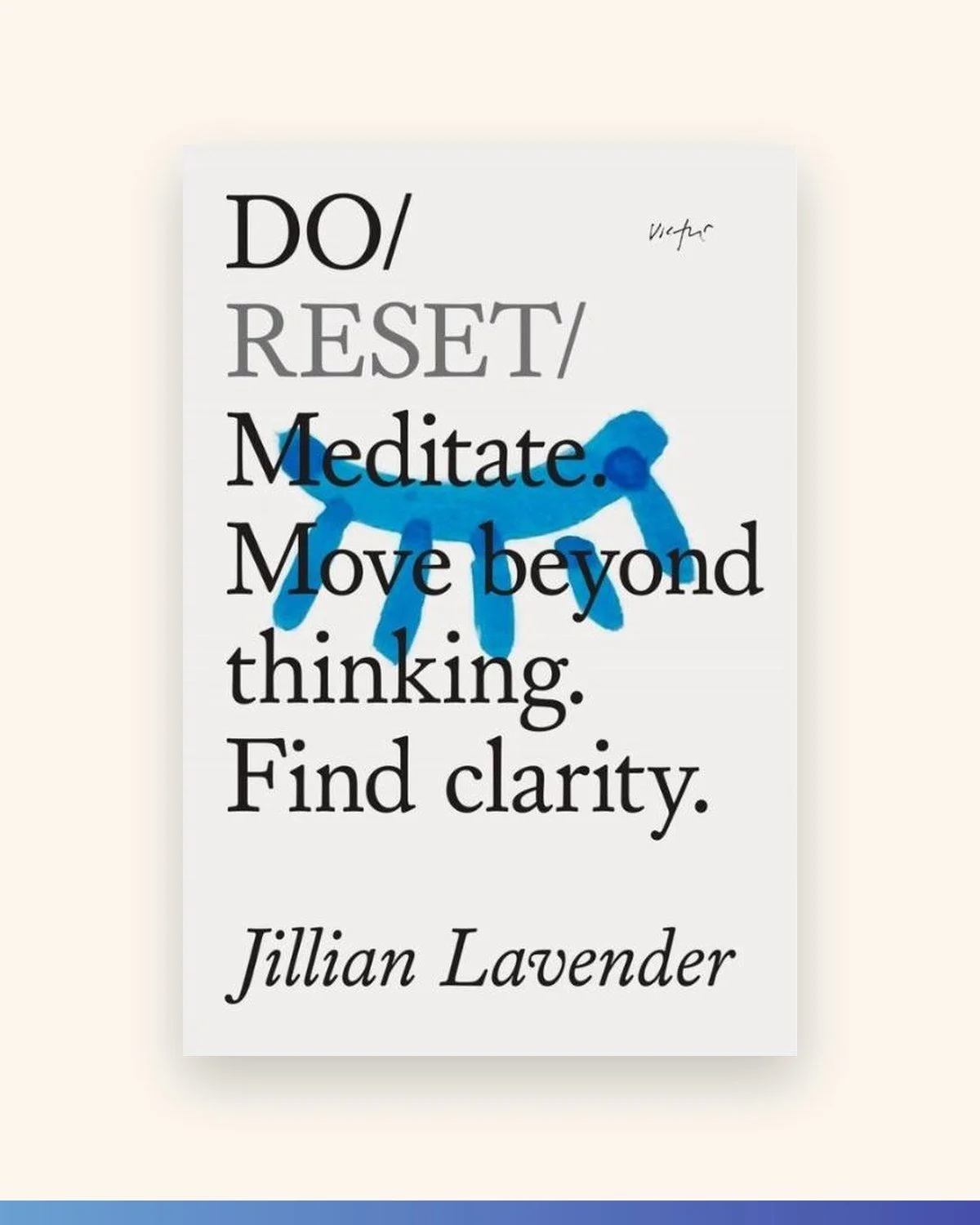
Jillian's short guide to using meditation to reset in the middle of a long day. You can finish it on a flight.
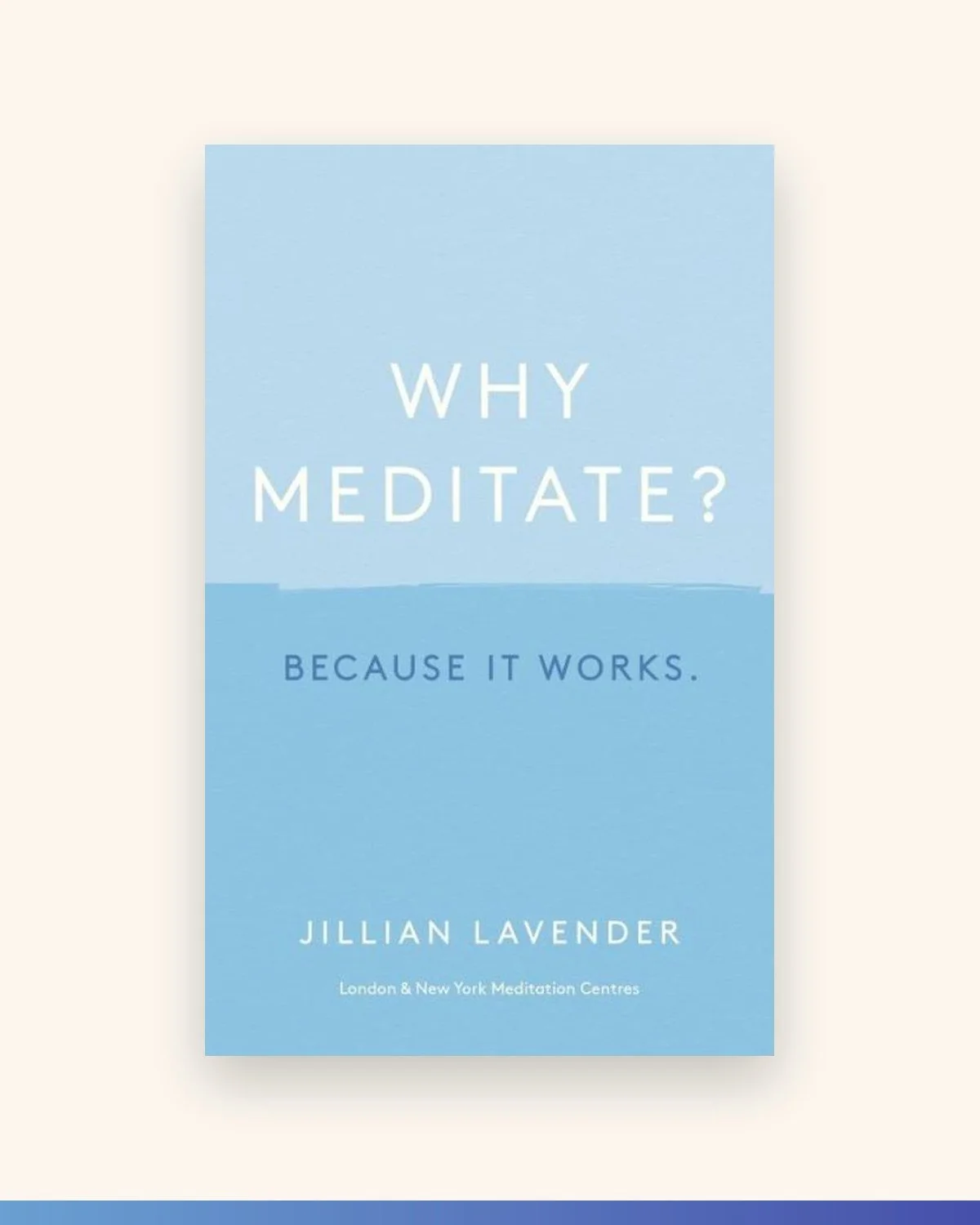
Jillian is Michael's partner and co-founder. This is her plain-spoken case for meditation, and a good first read if you think you're too busy to try.
Robbie read this in his twenties, years before the High Line. Sometimes the book you need is the one that gets you to start.
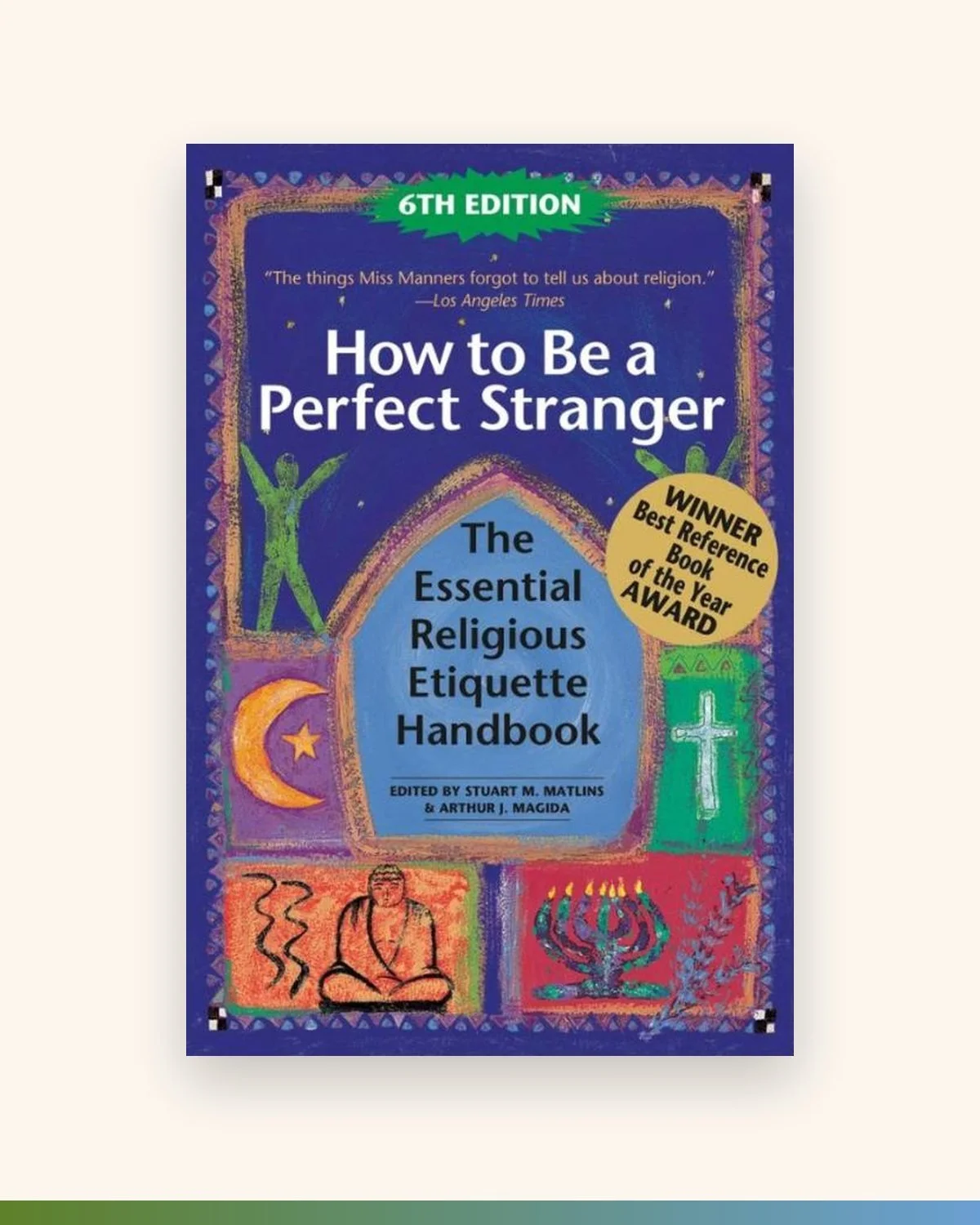
Mark's pick for anyone heading to a wedding, funeral, or holiday service in a faith that isn't their own. It tells you what to expect and how to show up well.
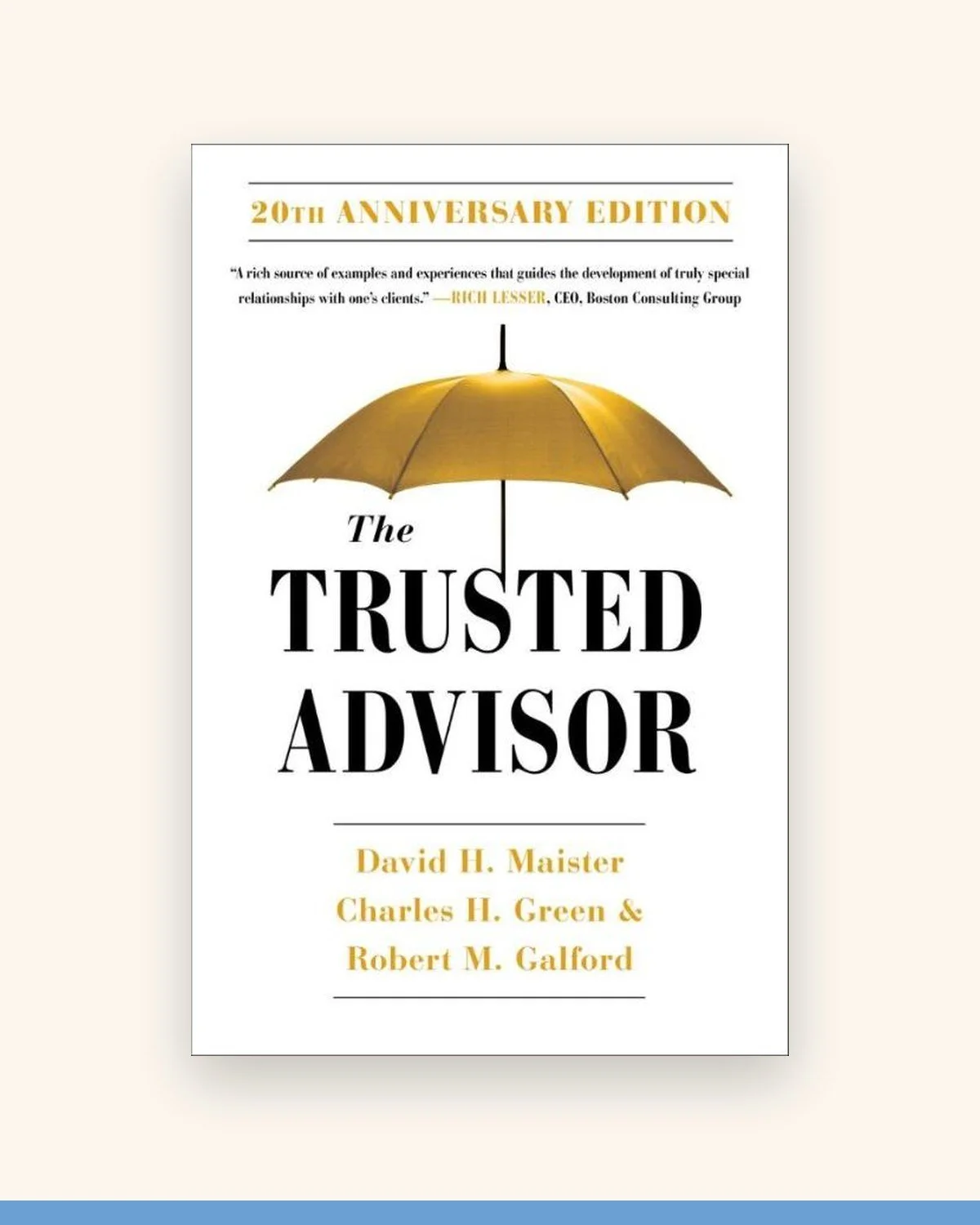
The book behind the Trust Equation Marco uses with clients. If you advise anyone about anything, read it.
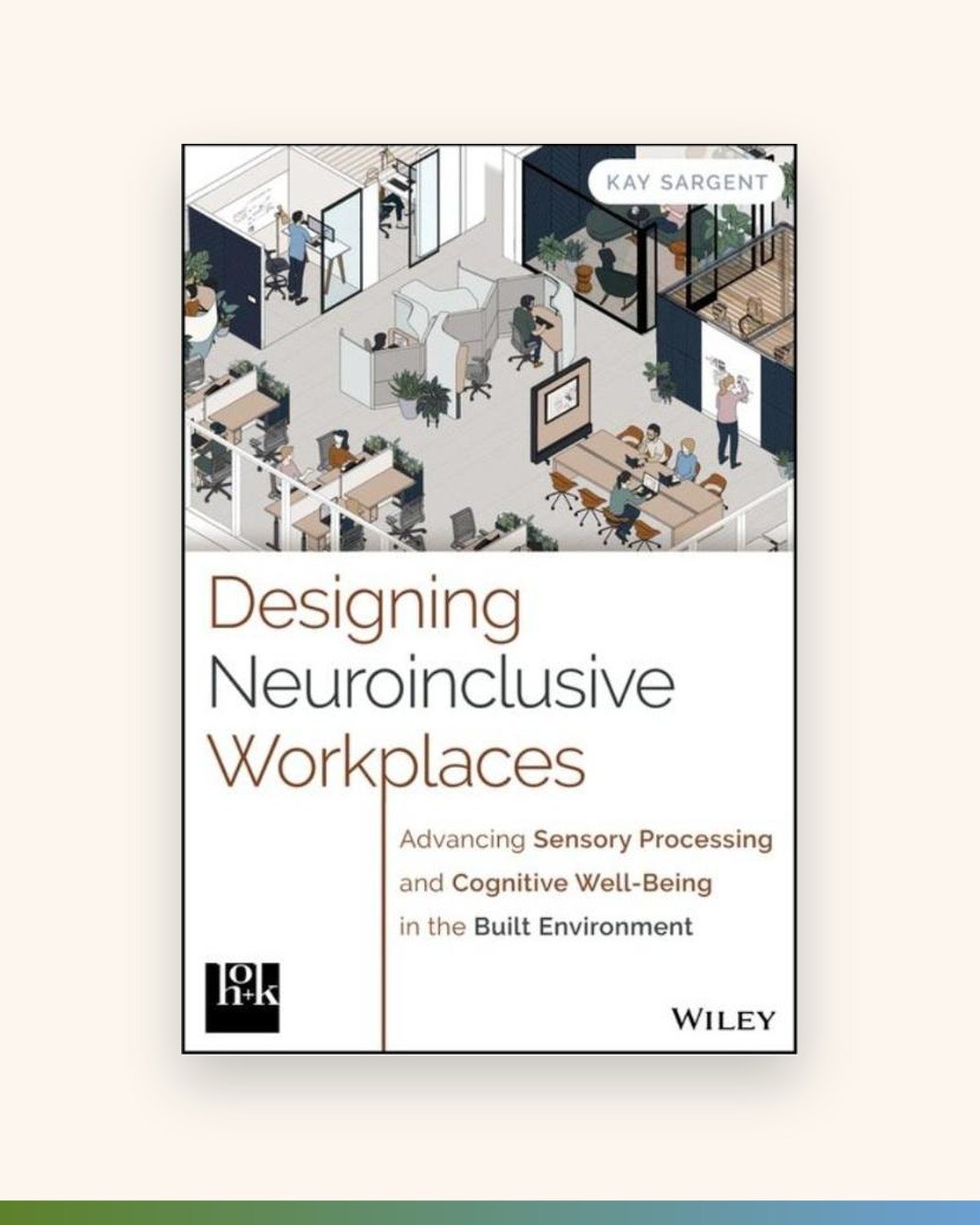
Nathan called this one phenomenal. Kay shows how small changes to a physical space help every kind of mind do its best work.
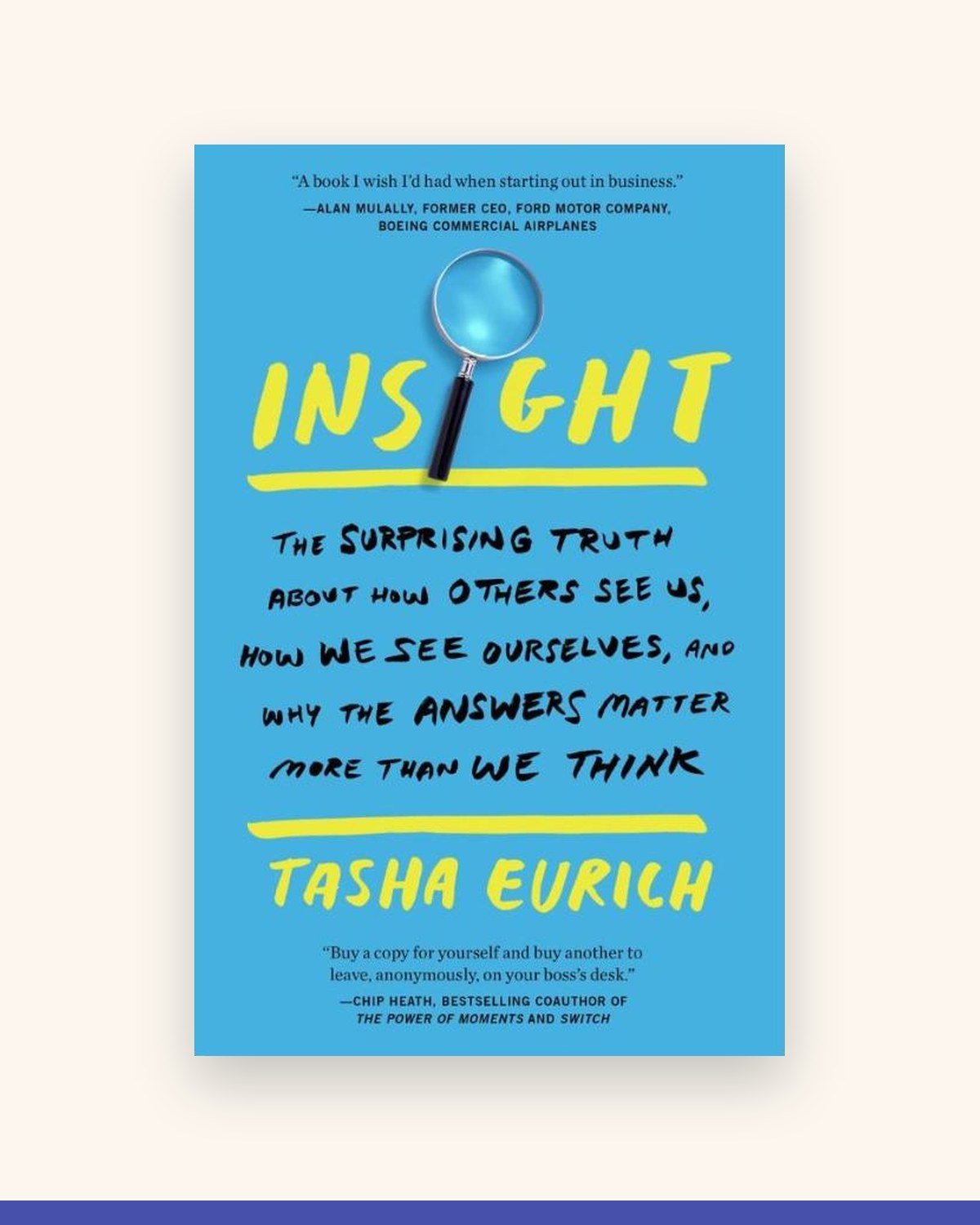
Most people think they're self-aware. Tasha's research says only a small fraction are, and this book shows you how to close the gap.
Browse by theme
Career & growth · Self-awareness · Teams & management · Influence & decisions · Culture & trust · Inclusion · Change & systems · Wellbeing & purpose
New books land here the week their episode drops.
Book links go to Bookshop.org, which supports independent bookstores. The Lift may earn a small commission at no extra cost to you.