Episode 10 - Managing yourself first: Margaret Andrews on self-awareness and leadership
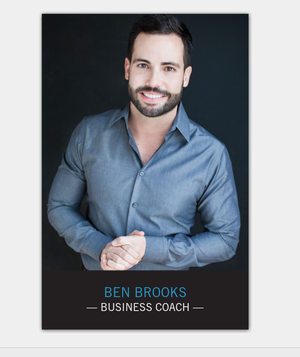
In this episode of The Lift, Ben is joined by Margaret Andrews, Harvard professor of executive education programs on leadership, emotional intelligence, and self-management, founder of The MYLO Center, and author of Managing Yourself to Lead Others.
Key takeaways:
Self-awareness is the foundation of great leadership
Emotional intelligence matters more than many leaders realize, particularly when it comes to communication, trust, and feedback
The best bosses stand out for their interpersonal skills, not just IQ or technical expertise
Feedback and emotions are data, and leaders who learn to interpret both can make better decisions and build stronger relationships at work
If you want to change how people think, you have to change how they feel
Leadership growth starts with self-reflection: understanding your values, your definition of success, and the people and experiences that shaped you
What makes someone a truly effective leader? According to Margaret Andrews, it starts with a skill that many business schools and workplaces still undervalue: self-awareness.
The core idea of this conversation is simple but powerful: before you can lead other people well, you have to understand how you think, feel, behave, and impact others. That sounds obvious, but in practice, many leaders skip this step. They focus on strategy, process, execution, and technical skill while overlooking the emotional and interpersonal habits that shape every meeting, every relationship, and every decision.
Margaret’s own path into this work started with difficult feedback. Early in her career, a boss told her she lacked self-awareness. It was painful to hear, but it became a turning point. Instead of dismissing the comment, she began asking deeper questions about why she showed up the way she did, how others experienced her, and what she needed to change in order to become a more effective leader. That journey led her to develop a framework for managing yourself before leading others.
In the conversation, Margaret shares six essential questions leaders can use to better understand themselves:
Who and what ideas shaped you?
What life events changed you?
How do you define success?
What are your core values?
How well do you understand your emotions?
What feedback have you received over the course of your life?
These questions get at the heart of leadership development because they force people to examine the beliefs, experiences, and emotional patterns they bring into the workplace every day. Margaret makes the case that leadership is not just about getting results through others. It is also about understanding the forces inside yourself that affect how you listen, react, communicate, and influence.
Margaret asserts that people are not nearly as rational as we like to think. If you want to change the way people think, she says, you first have to change the way they feel. That insight has huge implications for managers, executives, and founders. You can have the smartest strategy in the room, but if you do not understand the emotional reality of the people around you, your message may never land.
Margaret also shares a practical exercise she uses in executive programs: think about the best boss you ever had, then identify the top reasons they were effective. Across years of teaching, she has found that most people’s answers do not focus on IQ or technical brilliance. Rather, they focus on interpersonal skills: things like listening, trust, empathy, communication, calm under pressure, and the ability to make others better. In other words, the qualities that make someone memorable as a leader are often the very ones organizations treat as secondary.
This episode is especially valuable for leaders who have relied on competence, speed, achievement, or hard-driving standards to succeed and are now realizing those strengths may not be enough. Margaret offers a more sustainable model – one rooted in emotional intelligence, reflection, and behavioral change. She also draws an important distinction between personality and behavior. You do not have to become a different person to grow as a leader, but you may need to change how you behave.
For anyone trying to become a better manager, a more grounded executive, or a more thoughtful human being at work, this conversation is both practical and deeply personal. It is about more than leadership theory. It is about how your inner life shapes your outer impact.
If you want to lead others more effectively, start here: know yourself better, manage yourself more honestly, and build from there.